

UGH — I just went to grab some eggs and realized they expired yesterday. Hate that! Pretty sure this happens to everyone at some point — and before you toss that whole carton hear me out.
Just because the date on the box has passed doesn’t mean they’re bad. Eggs can stay good for 3-5 weeks past the pack date if stored properly. Here’s how to know for sure in about 30 seconds.
The Float Test — The Easiest Way to Tell if Eggs Are Still Good
This is the one test everyone should know. All you need is a bowl of cold water.
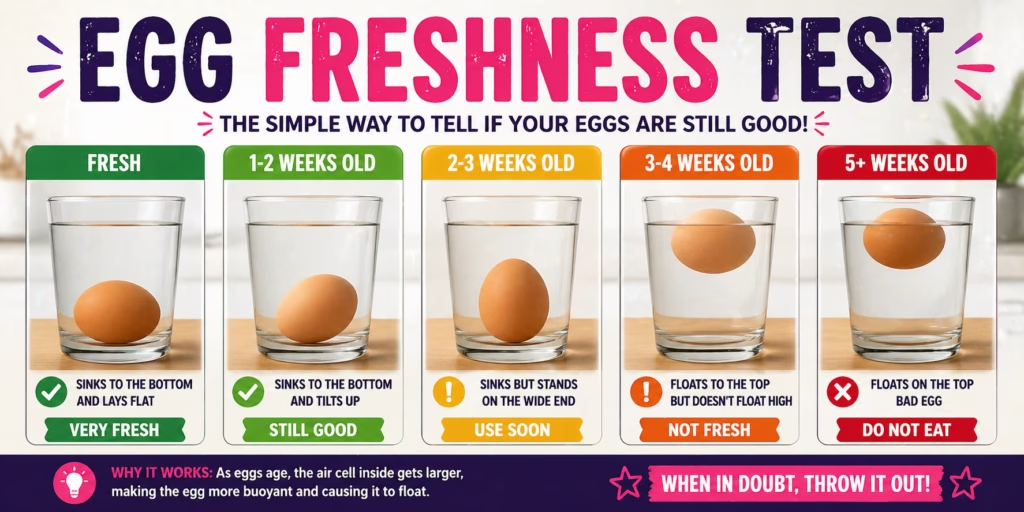
- Sinks and lays flat — very fresh, less than a week old. Use for anything.
- Sinks but stands upright — still perfectly good! One to three weeks old. Actually ideal for hard boiling because the air pocket makes peeling easier.
- Floats — too much air has built up inside. Time to toss this one.
That’s it. Thirty seconds and you know exactly what you’re dealing with.
Other Ways to Tell if an Egg Has Gone Bad
- The Smell Test – This one is foolproof. Crack the egg into a separate bowl — never directly into whatever you’re making. If it smells like sulfur or anything funky at all the decision is made for you. Bad egg. Toss it. No further investigation needed.
- The Visual Check – Once cracked into a bowl look at the egg white. A cloudy white actually means the egg is very fresh — that cloudiness is CO2 that hasn’t had time to escape yet. A clear egg white just means it’s a bit older but still fine. What you don’t want to see is any pink or green tint in the white or yolk — that means bacteria and it goes straight in the trash.
- The Shake Test – Hold the egg up to your ear and give it a gentle shake. Hear sloshing? The inside has thinned out and the egg is past its prime. Silence is a good sign — though this one is less reliable than the float test so use it as a backup not a primary method.
What Does the Expiration Date Actually Mean?
Here’s what most people don’t know — the date on your egg carton is a best by date, not a safety deadline. The USDA says refrigerated eggs are safe to eat for 3 to 5 weeks after the pack date. That sell by date usually expires well before that window closes.
Translation — your eggs are probably fine. Do the float test and find out before you throw away a $6 carton of eggs.
They Passed the Test — Now What Do You Make?
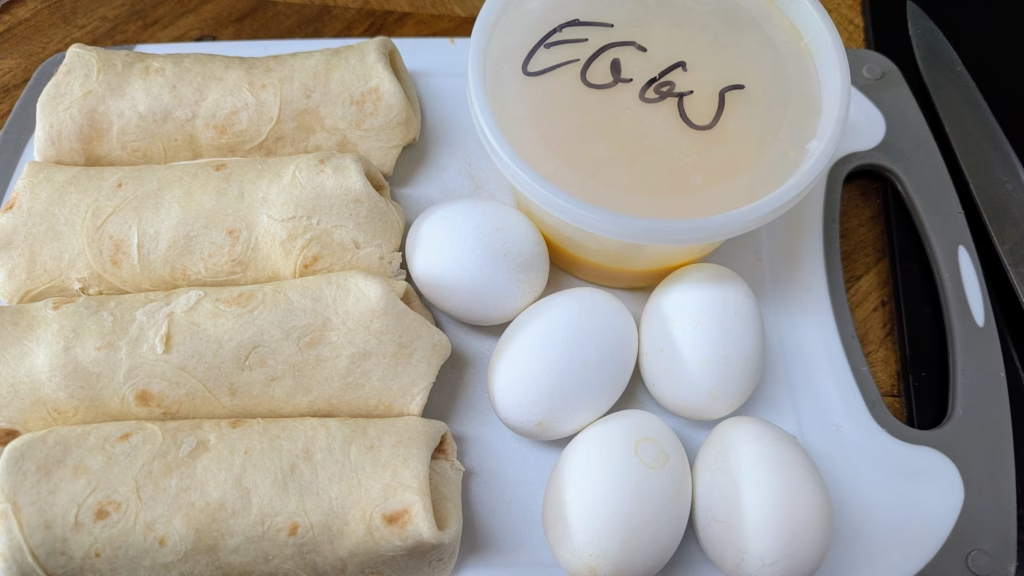
If your eggs are still good but getting older — use them up! This time I scrambled a batch and put them in a freezer container for those “oh no I need one egg and don’t have any” moments, made some breakfast burritos and froze those too, and hard boiled the rest for easy grab and go snacks all week. Nothing wasted!
Older eggs are actually better for some things. Hard boiled eggs peel much easier when the egg is a few weeks old because the larger air pocket helps the shell separate cleanly. Egg whites from older eggs also whip up better for meringue.
Here are some great ways to use up eggs before they actually do go bad:
- Hard boiled eggs — meal prep for the week
- Copycat Jimmy Dean Scramble — uses a lot of eggs at once
- French toast — great for slightly older eggs
- Egg muffins — make a batch and freeze them
- Spinach Egg Burrito or Copycat Whataburger Taquito — quick protein packed breakfasts
- Homemade pasta — uses several eggs and freezes well
Need recipe ideas? Head over to Forking Good Food — my cooking site — for easy egg recipes that will use up that carton before it actually expires!
How to Store Eggs to Make Them Last Longer
- Keep them in the carton — the carton protects the shells and helps block odors from other foods
- Store on a shelf not the door — the door temperature fluctuates every time you open the fridge. The middle shelf is more consistent
- Don’t wash them — washing removes the natural protective coating on the shell
- Freeze them — if you have more than you can use crack them into a freezer safe container, beat until blended, and freeze for up to a year. Great for baking!
Expired Eggs — Frequently Asked Questions
Are Expired Eggs Safe to Eat — Your Questions Answered
How long are eggs good after the expiration date?
The USDA says refrigerated eggs are safe for 3 to 5 weeks after the pack date. The sell by date on the carton usually expires before that window is up — so your eggs are very likely still good.
What happens if you eat a bad egg?
A bad egg can contain salmonella bacteria which causes food poisoning — symptoms include nausea, vomiting, and stomach cramps. This is exactly why you do the smell and visual check before eating any questionable egg. When in doubt throw it out.
Does the float test actually work?
Yes — it’s a reliable indicator of freshness. As eggs age air enters through the porous shell and enlarges the air cell making the egg more buoyant. A floating egg has a large air cell which means it’s old. The USDA notes that a floating egg may still be technically safe but the quality will be poor — smell and check it before deciding.
Are older eggs better for hard boiling?
Yes! Eggs that are 2-3 weeks old peel much more easily than very fresh eggs. The larger air pocket helps the shell separate from the white cleanly. If you’re planning to hard boil eggs and yours have been in the fridge a while that’s actually a good thing.
Can you freeze eggs?
Yes — crack them into a freezer safe container, beat until blended, and freeze for up to a year. Don’t freeze eggs in the shell — they’ll expand and crack. Frozen eggs work great for baking and scrambles once thawed.
Looking for more ways to save money in the kitchen? Check out my Living section for practical tips that save real money every day!