
Throughout the years, I learned a secret most parents don’t know: you can get a free car seat if you know where to look!
I actually used to coordinate the car seat installation trainings with Florida’s Safe Kids Coalition for the state of Florida. I’ve had the opportunity to work directly with local fire departments to ensure their teams receive the proper CPS certification. I have a LOT of experience with this topic!
Through these programs, I’ve seen firsthand how a simple car seat check can make a world of difference for a family, especially when those events give out free car seats to those in need. Over the years of hunting freebies and deals I have found many ways to save too!
Car seats are a non-negotiable for safety, but their cost can be a major hurdle for new parents and caregivers on a tight budget. To help, I’ve put together this comprehensive guide of programs and resources across the U.S. that offer free or low-cost car seats.
Here, you will find out how to apply for these programs and what to expect, making it easier than ever to ensure your child is riding safely without having to worry about the expense.
🚗 Where to Get Free or Discounted Car Seats
The programs and resources listed below are organized to help you find options near you. While each program has its own specific requirements, they all share a common goal: ensuring every child can ride safely.
Take a look at the options to see what might be available in your state or county.
Local Safe Kids Coalitions
This is your best bet!
Local Safe Kids Coalitions are community-based organizations dedicated to preventing injuries in children, and in many areas, a core part of their mission is car seat safety. As a part of the larger Safe Kids Worldwide network, these coalitions work at a grassroots level to help families directly.
Many states and counties have these programs, which offer free or discounted car seats to families who need them. Beyond just providing the seats, these coalitions host frequent Car Seat Checkup Events. During these events, certified technicians inspect and install car seats for free, ensuring they are used correctly and are the right fit for the child’s age and size.
✅ Tip: Visit safekids.org and search by your zip code to find your local coalition. Or use the handy list below…
Find Safe Kids in Your State
Fire Departments & Police Stations
Many fire and police departments do not have a constant supply of free car seats on hand for walk-ins. However, they frequently host or participate in Car Seat Checkup Events and community safety programs. These are often in partnership with local coalitions, like Safe Kids Worldwide that I mentioned above.
The key service they almost always provide is access to Certified Child Passenger Safety (CPS) Technicians. Many firefighters, police officers, and other first responders have this specialized training, which qualifies them to:
- Inspect your current car seat for proper installation and safety recalls.
- Provide hands-on help and education to teach you how to install your seat correctly.
- Determine if your child is in the right type of car seat for their age and size.
How to Get a Free Car Seat
While it’s rare to get a free car seat just by walking into a station, there are specific programs where they are distributed. These programs are typically:
- Need-Based: You will likely need to meet specific eligibility requirements, such as having a limited income or receiving government assistance (like WIC or Medicaid).
- Part of a Larger Program: The free car seats are often provided through a program sponsored by a hospital, health department, or a Safe Kids Coalition. Fire and police stations serve as a location to distribute the seats, but they are not the source of the funding or the seats themselves.
- By Appointment: These programs are almost always by appointment only. You’ll need to contact the station or the sponsoring organization to schedule a time to get a car seat and receive the necessary safety training.
How to Find a Program Near You
The best way to find a free car seat program or a certified technician at a fire or police station is to use a national locator tool.
Contact Your Local Health Department: Your county or state health department can often provide a list of local resources and programs for free or low-cost car seats.
The Safe Kids Worldwide Locator: Use the official inspection station locator on the Safe Kids Worldwide website. You can search by your zip code to find certified technicians and events in your area, including those at fire and police stations.
Hospitals & Birthing Centers
Hospitals can be an excellent resource for new parents in need of a car seat, as many offer free or low-cost options through their community outreach and injury prevention programs. These programs are often supported by grants, donations, or partnerships with organizations like Safe Kids Worldwide.
Here’s how these hospital-based programs typically work:
How to Find a Program and Qualify
- Ask Early: The best time to inquire about a free car seat program is during your pregnancy. Ask your hospital’s labor and delivery staff, a social worker, or the community outreach coordinator. Information is often shared during birthing classes or when you pre-register for delivery.
- Need-Based Eligibility: Most hospital programs are designed to assist families who cannot afford a car seat. Eligibility is often based on financial need, and you may be asked to show proof of government assistance like Medicaid or WIC.
- Mandatory Safety Education: To ensure the car seat is used correctly, most hospitals require you to attend a free safety class or receive a one-on-one session with a certified technician. This is a crucial step that ensures both the proper installation of the seat and your understanding of how to use it safely.
- Partnerships: Even if the hospital doesn’t have a car seat program of its own, it may be able to connect you with other local resources, such as a Safe Kids Coalition or a public health department that does.
These hospital programs are an invaluable resource, providing not only a safe car seat but also the education needed to protect your child from the very first ride home.
Nonprofits & Community Programs
Groups like United Way, Catholic Charities, and local pregnancy centers often provide free baby gear to qualifying families—including car seats.
🍼 Also check Baby2Baby, Salvation Army family services, or even Goodwill’s community assistance programs.
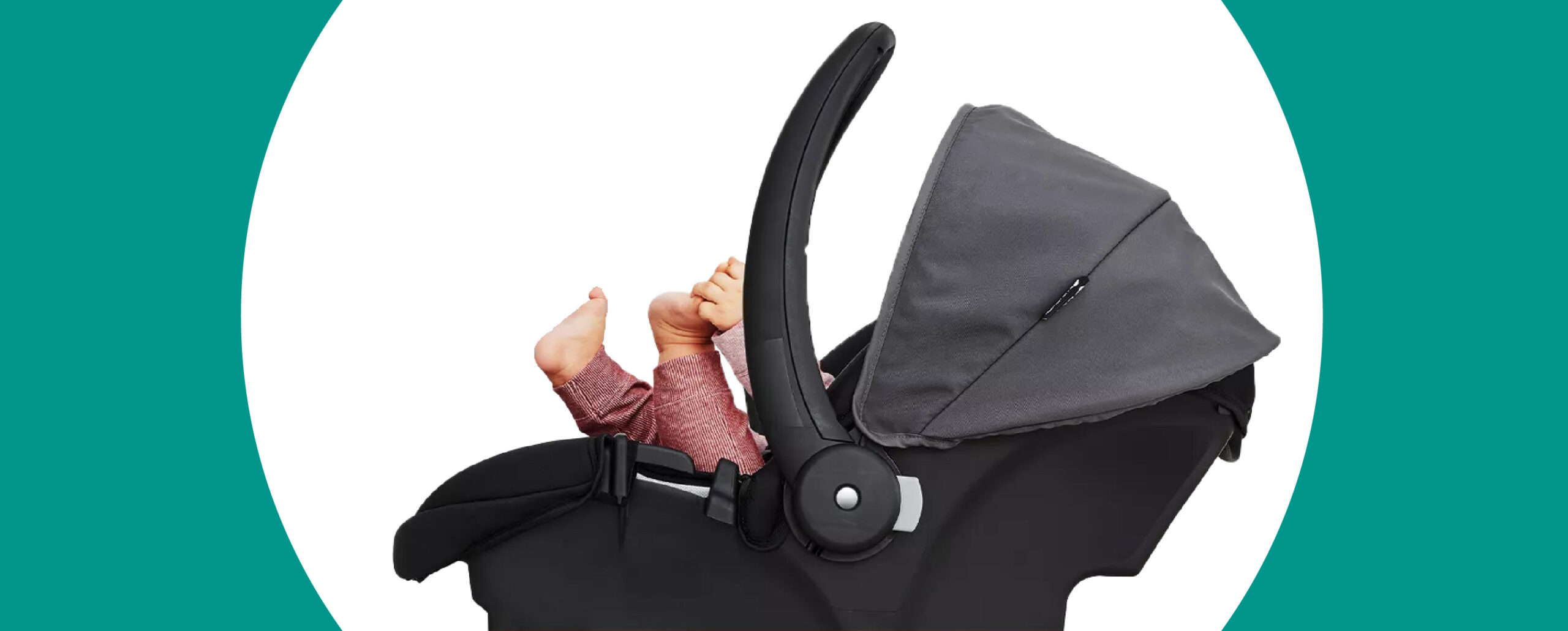
Car Seat Trade-In Events (Target & Walmart)
While not totally free, these events let you trade in any old, expired, or damaged car seat and get a 20%–50% off coupon for a brand new one.
Target’s Trade-In Event: Happens every April and September.
Walmart’s Trade-In (currently discontinued): They have offered events before for a 30% off coupon. The last one was in 2019. Check with your local store or online.
Car Insurance or Road Safety Programs
It’s a great idea to check with car insurance companies and road safety programs, as they are often involved in child passenger safety. However, their role is typically different from giving out free car seats directly. Here’s what you need to know.
Car Insurance Companies
You can’t get a free car seat just for being a policyholder. The main way a car insurance company helps with car seats is through reimbursement after an accident.
- Replacement Coverage: If you are in a car accident and have collision coverage, your insurance company will almost always pay to replace your damaged car seat. This is because a car seat is considered compromised even in a minor crash.
- Proof of Damage: You will need to file a claim and provide documentation, such as photos of the damaged seat and receipts. Some insurers may even require proof that the old seat was destroyed (e.g., cutting the straps) to prevent it from being used again.
- Discount Programs: While rare, some insurance companies, like Florida Farm Bureau Insurance, have been known to offer car seats and booster seats at a significant discount to their policyholders. Check with your specific insurer to see if they offer any such programs.
Road Safety Programs
Road safety programs, especially those at the state and federal levels, are an excellent resource for free car seats. These programs are often government-funded and designed to increase child safety for all families.
- State-Run Programs: Many state Departments of Transportation (DOT) or Health Departments have federally funded programs that partner with local organizations to provide car seats. For example, the Texas DSHS Safe Riders program partners with local sites to provide seats to low-income families.
- Partnerships with Nonprofits: Major insurers like State Farm and Toyota have partnered with Safe Kids Worldwide to run the “Good Neighbor Car Seat Safety Program” and “Buckle Up for Life,” respectively. These programs host checkup events where they not only inspect car seats but also distribute new ones to families in need.
- How to Qualify: These programs are almost always need-based and require you to attend a safety class. You will likely need to provide proof of income or eligibility for other government assistance to qualify.
The best way to find these road safety programs is to contact your state’s Department of Transportation or use the Safe Kids Worldwide locator to find a checkup event or a certified technician near you. Also watch for child safety events or baby expos.
National Car Seat Assistance Programs
Some national programs offer car seat help by mail or through partner locations, especially for foster parents, low-income households, or parents in transition. These may include:
Baby2Baby (partnered with brands)
What to Expect from These Programs
Programs often prioritize families who qualify for WIC, Medicaid, SNAP, or other public assistance.
Most programs are run through local health departments, Safe Kids coalitions, hospitals, nonprofits, or WIC clinics. So these will vary a lot by city. These are definitely the first places to start.
Some offer brand-new car seats for free, while others provide them at a heavily reduced price (usually $15–$30).
Many require a short car seat safety class or hands-on installation training by a certified technician (CPST). You want this – most people install car seats incorrectly!
Who Qualifies for These Programs?
Eligibility varies by location, but you may qualify if:
- You’re enrolled in WIC, Medicaid, SNAP, or TANF
- You’re a foster parent or kinship caregiver
- You meet income guidelines set by the program
- You agree to complete a car seat safety training session
Some programs are also available to expecting parents or new moms attending birthing classes.
What You’ll Need to Apply
- A valid photo ID
- Proof of income or public assistance (in some cases)
- Proof of pregnancy or child’s birth date
- Willingness to attend a safety check or class
Even if your area doesn’t advertise free seats, always ask local pediatricians, social workers, or WIC coordinators—they often know of programs not listed online!
Quick Tips Before You Accept a Free or Cheap Car Seat:
- Always check the expiration date (usually listed on the bottom or side).
- Look up the model number to check for any recalls.
- Never use a car seat involved in an accident.
- Ensure all parts and the manual are included, or download the manual online.
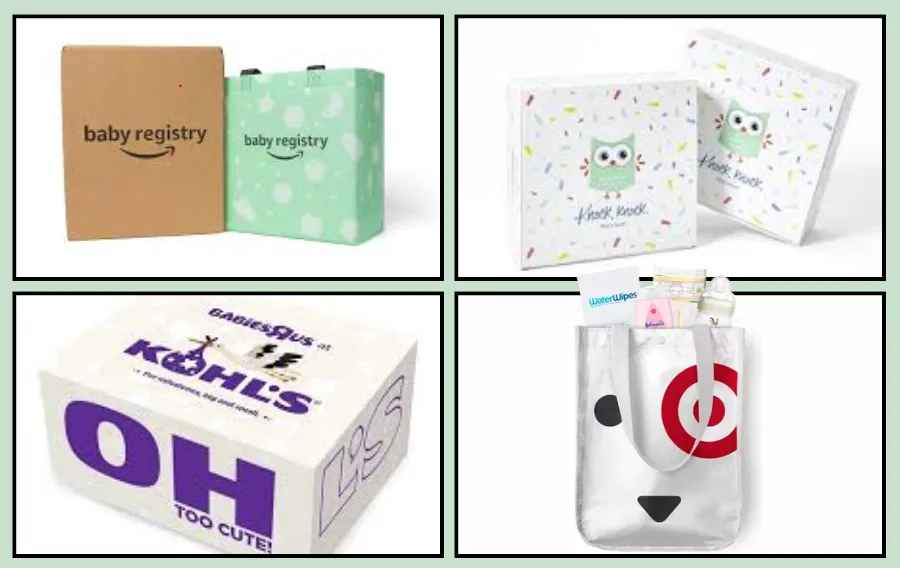
Baby Registries with Completion Discounts
Some retailers offer free welcome boxes or discounts through their baby registry programs. While not free, it can be a great way to save quite a bit on a new car seat if you can’t get one for free!
Here are four baby registry programs that often include car seat coupons or discounts in their welcome boxes or completion perks:
🛒Amazon Baby Registry
- Completion Discount: 10% off (15% for Prime members) on select baby items, including car seats.
- Free Welcome Box: Includes rotating baby product samples—sometimes even car seat accessories or coupons.
🎯 Target Baby Registry
- Registry Coupon: You’ll get a 15% off registry completion coupon, good for one in-store and one online use.
- Includes: Car seats, strollers, and other big-ticket baby gear.
- Extra Tip: Combine with Target Circle offers to save even more.
🛍 Walmart Baby Registry
- Welcome Box: Often includes samples, formula, and occasional coupons (though not always car seat-specific).
- Tip: Walmart rolls back car seat prices often—watch for those alongside your registry.
📦 Kohl’s (Babies “R” Us) Baby Registry
- Completion Discount: usually includes a 15% off for baby shop purchases, which includes car seats and travel systems.
- Welcome Box: The Welcome box may include coupons for popular baby brands (including gear).
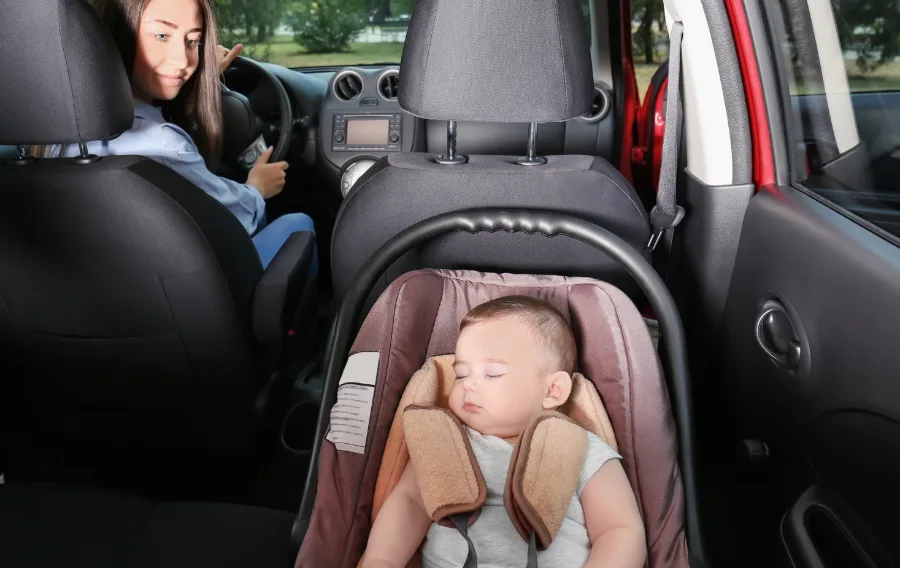
How You Should NEVER Get a Free Car Seat
When it comes to your child’s safety, knowing what to avoid is just as important as knowing what to do. Here are some of the most critical ways you should not get a free or used car seat:
1. Don’t Accept a Used Car Seat with an Unknown History
A car seat that has been in a crash, even a minor fender-bender, is compromised and may no longer be safe. Unless you know the full history of the seat and can verify it has never been involved in a collision, it’s not worth the risk.
The internal structure and integrity of the plastic can be compromised in ways that aren’t visible to the naked eye.
2. Don’t Get a Car Seat from a General Online Marketplace
While sites like Facebook Marketplace or Craigslist might seem like a good source for free or cheap items, they are not the place to get a car seat.
There is no way to verify its history, check for recalls, or ensure all original parts are present. The risk of getting a damaged or unsafe seat is extremely high.
3. Don’t Use a Car Seat Without an Expiration Date
Car seats have expiration dates, typically found on a label on the back or bottom of the seat. The plastic, straps, and other components can degrade over time due to sun exposure and temperature changes, making them less effective in a crash.
If you can’t find an expiration date, or the seat is expired, it is no longer safe to use.
4. Don’t Use a Car Seat with Missing or Damaged Parts
Every part of a car seat is crucial for its safety. If it is missing the harness, chest clip, instruction manual, or other components, it is not safe to use. You should also never use a seat with frayed straps, cracked plastic, or a broken buckle.
5. Don’t Use a Recalled Car Seat
Car seat manufacturers may issue recalls for safety defects. If you get a car seat, you must check the model number and date of manufacture on the National Highway Traffic Safety Administration (NHTSA) website to ensure it has not been recalled. Many older or used seats may have been recalled and are no longer safe.
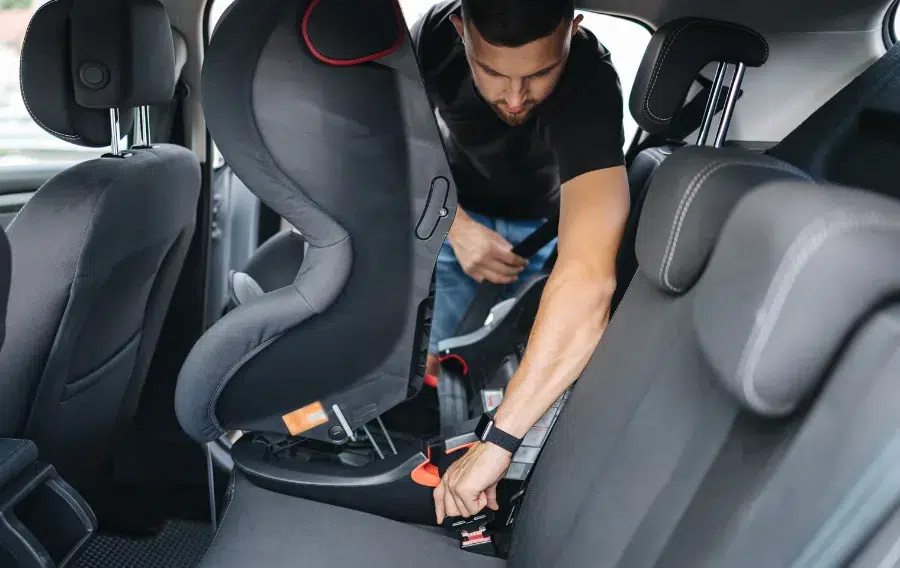
Why You NEED a Free Car Seat Inspection (Most People Install Them Wrong)
Even if you’ve done your research and carefully followed the instructions, the reality is that a staggering number of car seats are installed incorrectly. If you think I am kidding – check the stats below.
Studies from organizations like the National Highway Traffic Safety Administration (NHTSA) and Safe Kids Worldwide consistently show that more than half of all car seats are misused or improperly installed.
Common mistakes include:
- Too Loose: The car seat moves more than one inch side-to-side or front-to-back at the belt path.
- Loose Harness Straps: You can pinch the harness webbing at the child’s collarbone.
- Incorrect Harness Position: Straps are not at or below shoulder level for rear-facing, or at or above for forward-facing.
- Improper Recline Angle: Especially crucial for infants to ensure their airway remains open.
- Not Using the Top Tether: A common oversight for forward-facing seats that significantly reduces head injury risk.
Why does this matter? An improperly installed car seat dramatically reduces its effectiveness in a crash, putting your child at serious risk. Even a slight error can have severe consequences.
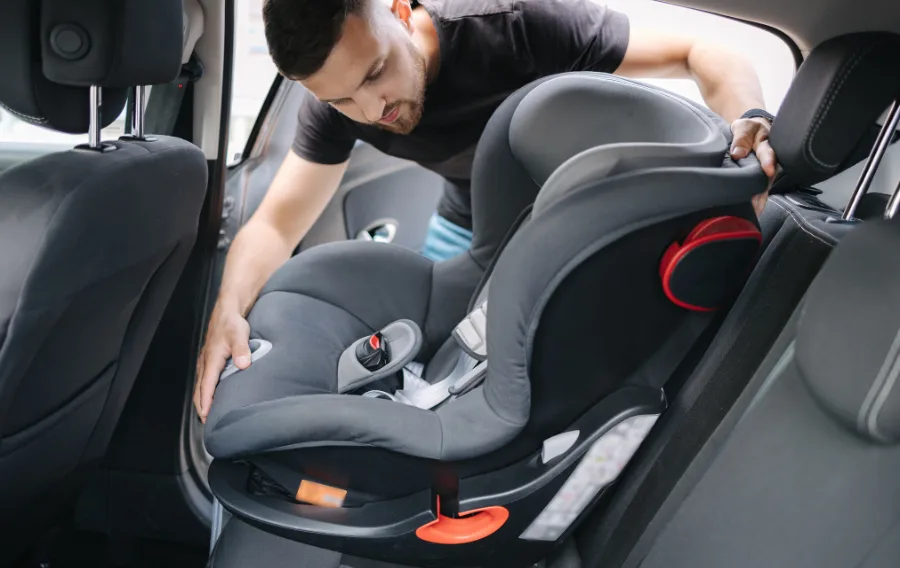
This is where a certified Child Passenger Safety Technician (CPST) comes in. These experts are trained to:
- Inspect your car seat for recalls, damage, and expiration.
- Teach you how to properly install it in your specific vehicle, using either the seat belt or LATCH system.
- Ensure the harness fits your child correctly.
- Answer all your questions and provide peace of mind.
Many fire departments, police stations, hospitals, and community organizations offer free car seat checks by certified technicians. This isn’t just an installation service; it’s a vital educational opportunity that empowers you to keep your child as safe as possible on every single ride.
Don’t skip this crucial step – your child’s safety is worth it!
Securing a safe car seat for your infant is a non-negotiable step for bringing your precious little one home. Thankfully, as you’ve seen, there are numerous compassionate programs and resources available to help ensure every family has access to this vital piece of safety equipment, regardless of their financial situation.
Remember to always prioritize safety: inquire about the car seat’s history if it’s not new, check for expiration dates, and get it professionally inspected and installed by a certified Child Passenger Safety Technician. By utilizing the resources outlined above, you can confidently provide your baby with a safe start on every journey, all for free.
References:
National Highway Traffic Safety Administration (NHTSA):
- NHTSA’s 2011 National Child Restraint Use Special Study (NCRUSS) found that 46% of car seats and booster seats were misused. This number was even higher for specific types, with 61% of forward-facing car seats being misused. (Source: NHTSA CrashStats, “Results of the National Child Restraint Use Special Study,” and other related NHTSA documents).
- More recent summaries from NHTSA and their Traffic Safety Marketing initiative continue to cite that “about half (46%) have installed their child’s car seat incorrectly.” (Source: Traffic Safety Marketing, NHTSA press releases).
Safe Kids Worldwide:
- Safe Kids Worldwide, a partner with NHTSA in child passenger safety, has also reported similar figures. In 2017, they stated that “59 percent of car seats are not installed correctly,” based on NHTSA research. (Source: Safe Kids Worldwide, “More Than Half of Car Seats are Not Installed Correctly”).
AAA (American Automobile Association):
- AAA, citing the National Digital Car Seat Check Form (NDCF) database, reported in 2023 that “74% of car seats inspected in 2023 were improperly installed or used.” (Source: AAA Newsroom, “Baby on Board, But Is Baby Properly Buckled?”). This higher percentage might reflect findings from inspections where technicians are looking for even minor misuses.