

Free Seeds – Get Free Garden Seeds Online & Locally
This post may contain affiliate links. We may earn a small commission at no extra cost to you. Affiliate Disclosure.
When I started growing our own food, I was shocked at how expensive it could get. One tiny tomato plant at the garden center could easily cost $5 or more — and I knew I’d need a lot more than one.
Starting plants from seed was much cheaper, but buying packet after packet still adds up. That’s crazy when you think about it: plants naturally produce hundreds of seeds every season!
Once I learned where to look, I realized there are plenty of ways to find free seeds. From seed libraries and community programs to swaps and giveaways, you can grow a lot without spending much at all.
Here are some of the best places to look.
1. Check Your Local Seed Library
Many public libraries have seed libraries where you can pick up vegetable, herb and flower seeds for free. Some encourage gardeners to save seeds from their harvest and return some at the end of the season, although rules vary by library.
Search your library’s website for “seed library” or ask at the front desk.
2. Check Extension Offices & Master Gardener Programs
County extension offices and Master Gardener programs sometimes offer free seeds, plants or gardening supplies through educational programs, workshops and seasonal giveaways.
Check your local extension office’s website, Facebook page or event calendar to see what’s available in your area.
3. Look for Free Seed Offers Online
Seed companies, gardening organizations and brands occasionally offer free seed packets, catalogs with samples or limited-time giveaways.
These offers tend to be seasonal, so spring is an especially good time to watch for them. You can also sign up for newsletters from your favorite seed companies to hear about promotions.
4. Join a Seed Swap
Seed swaps are one of my favorite ways to get new varieties without buying them. Libraries, community gardens, garden clubs and local groups often organize swaps where gardeners trade extra seeds.
Don’t have anything to trade yet? Check the rules before skipping it — some swaps allow new gardeners to participate even if they don’t have seeds to bring.
5. Check Buy Nothing & Local Groups
Gardeners are notorious for ending up with more seeds than they can possibly plant. Check local Buy Nothing groups, Facebook gardening groups, Freecycle, Reddit or other neighborhood groups.
You can also post an ISO (“in search of”) request asking whether anyone has leftover vegetable, herb or flower seeds they aren’t going to use.
6. Ask Community Gardens
Community gardens sometimes receive donated seeds or have extra packets left from previous seasons. If you have a community garden nearby, ask whether they have seeds available or host seed swaps.
Volunteering can also be a great way to meet experienced gardeners who are usually more than happy to share seeds and gardening advice.
7. Look for Nonprofit & Community Programs
Food banks, churches, sustainability organizations and other nonprofits sometimes distribute seeds or starter plants as part of food-growing and community garden programs.
These programs vary by location, so search for free gardening programs, community gardens and food-growing initiatives in your area.
8. Ask Garden Centers About Old Seed Packets
It never hurts to ask! Garden centers and nurseries may occasionally have old or surplus seed packets they can no longer sell.
An older date on a seed packet doesn’t automatically mean the seeds are useless. Germination rates generally decline as seeds age, but properly stored seeds can remain viable beyond the date printed on the package.
9. Save Seeds From Your Own Garden
The best long-term source of free seeds may already be growing in your backyard.
Beans, peas and many tomatoes and herbs are good places to start learning how to save seeds. If you want plants that reliably resemble the parent plant, start with open-pollinated or heirloom varieties rather than hybrids.
Once you get into the habit of saving seeds each season, you can build your own seed collection and have extras to trade with other gardeners.
Quick Guide to Finding Free Seeds
| Source | What to Do | Good to Know |
|---|---|---|
| Seed Libraries | Check your local library | Vegetables, herbs and flowers may be available |
| Seed Swaps | Find local swaps and gardening groups | Great source for unusual and heirloom varieties |
| Buy Nothing & Local Groups | Search listings or post an ISO request | Gardeners often have extras |
| Community Gardens | Ask about donated or leftover seeds | They may also have seedlings |
| Extension Programs | Watch for local events and giveaways | Availability varies by location and season |
| Garden Centers | Ask about old or surplus packets | Older seeds may still germinate |
| Seed Promotions | Watch gardening brands and newsletters | Many offers are seasonal |
| Your Own Garden | Collect and save seeds | Open-pollinated varieties are easiest to reproduce reliably |
Don’t Forget to Save Seeds for Next Year
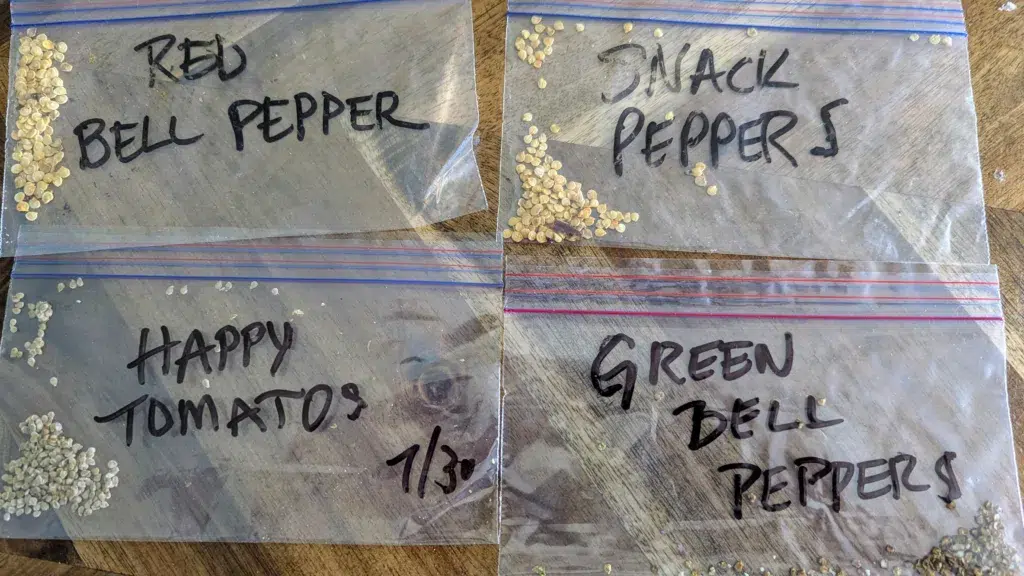
Once you start finding free seeds, keep the cycle going. Save seeds from successful plants, label them with the variety and year, and store them somewhere cool and dry.
Before long, you may be the gardener giving away extra seeds instead of looking for them!
Looking for more ways to get things free? Check out our guide to getting free stuff for more freebies and money-saving resources.