
FREE Fancy Feast Christmas OrnamentNov 9 – Nov 20, 2026
›


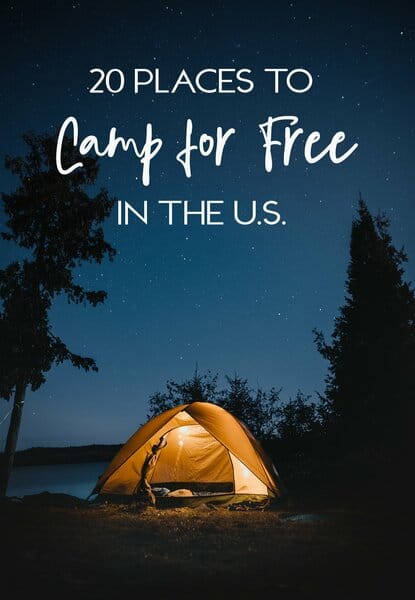
From national forests to tucked-away dispersed camping spots, we’re sharing 20 places you can camp for free or super cheap!

I love to camp — there’s nothing better than a cheap way to travel and see this great nation. If you’re trying to explore more without spending a ton, camping is one of the easiest ways to do it, especially when you can find spots that are free or super affordable.
There are spots all across the U.S. where you can camp without paying campground fees, plus plenty of low-cost options that are still way cheaper than hotels or vacation rentals.
Before you go, there are two types of camping you should know about if you want to camp for free: dispersed camping and backcountry camping.
This is the easiest way to camp for free. Dispersed camping means setting up outside of developed campgrounds — no reservations, no fees, just find a spot and go.
You’ll find this mostly in National Forests and on public land. There are usually no permits required, but you won’t have amenities like water or bathrooms — so come prepared.
Backcountry camping takes it a step further. These spots aren’t accessible by car — you’ll need to hike or backpack in.
They’re more remote, more quiet, and definitely more “off the grid.” No amenities, no crowds — just you and nature.
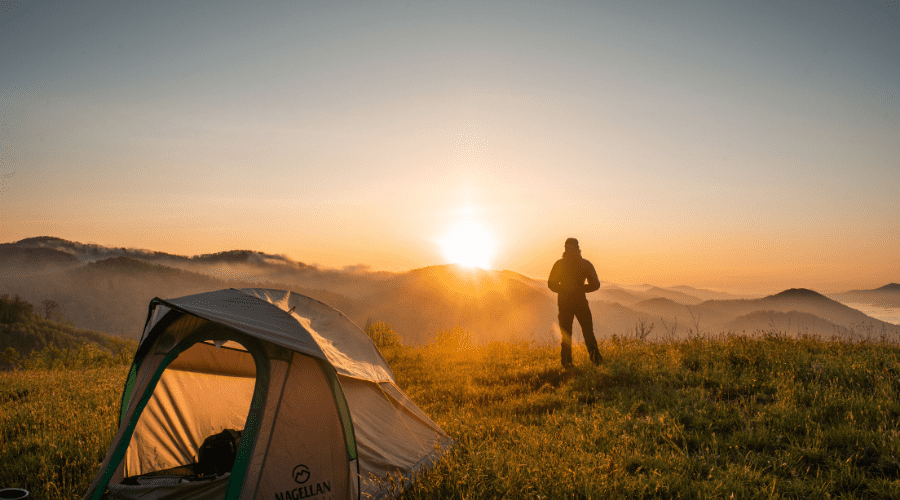
There are spots all across the U.S. where you can camp without paying campground fees — and some of them are actually better than the paid sites.
Now yes — if you want hookups, bathrooms, and all the extras, many state parks are still pretty affordable (usually around $20–$30 a night). But if your goal is to skip the fees and still have an amazing trip, free camping is 100% doable.
We’ve rounded up 20 places to get you started so you can plan a trip, pack your gear, and go — without worrying about the cost.
Want free national park passes?
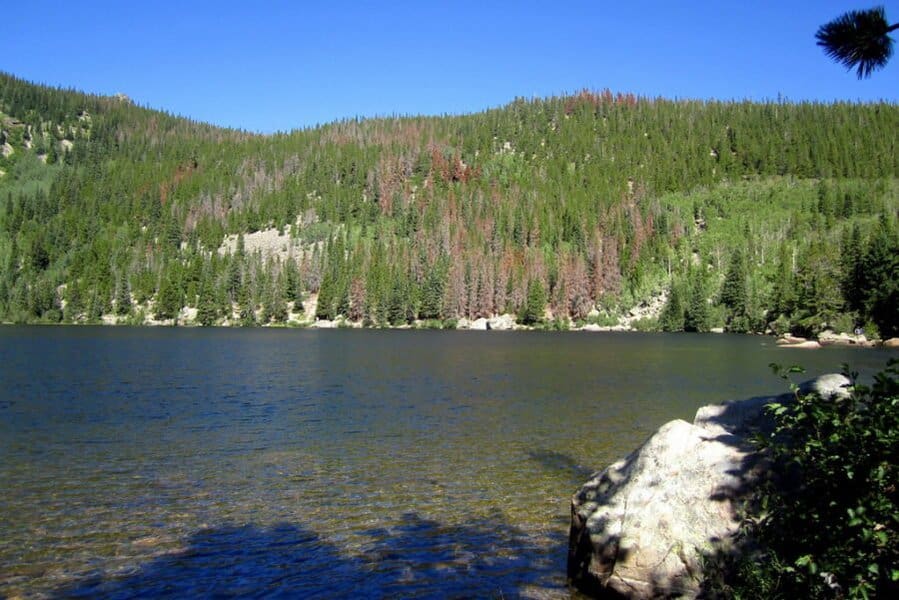
Located about 12 miles east of Isabella, this backcountry spot is perfect if you’re looking to unplug. It’s especially great for fishing — known for Rainbow Trout.
👉 View map and directions here
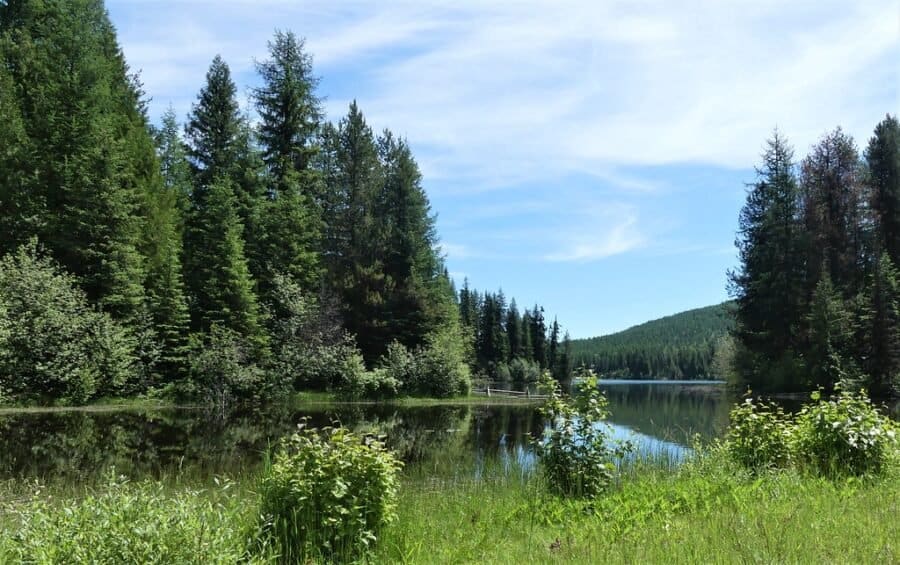
Located on the east side of Hovey Lake in Michigan’s Upper Peninsula, this quiet spot is perfect if you’re looking to get away from it all. Great for canoeing, bird watching, and fishing — you’ll find northern pike, bass, panfish, and even trout in the area.
👉 View map and details for Hovey Lake Campground
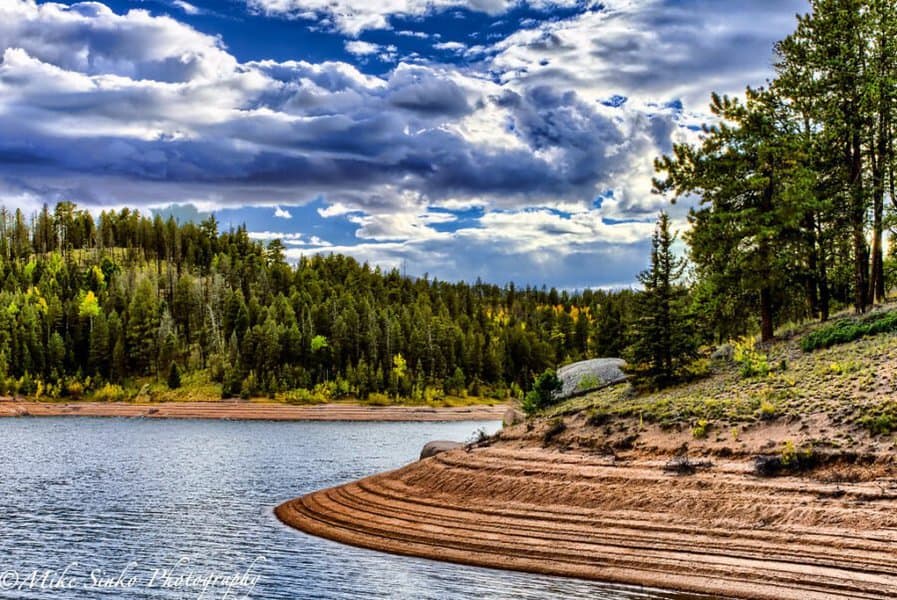
Located at the base of Pikes Peak, this is a beautiful spot if you’re looking for cooler temps and incredible views. It’s a great option for outdoor activities and a peaceful camping setup.
👉 View map and details for Rampart Reservoir
Note: There may be a small day-use fee (around $8), so this one is low-cost rather than completely free.
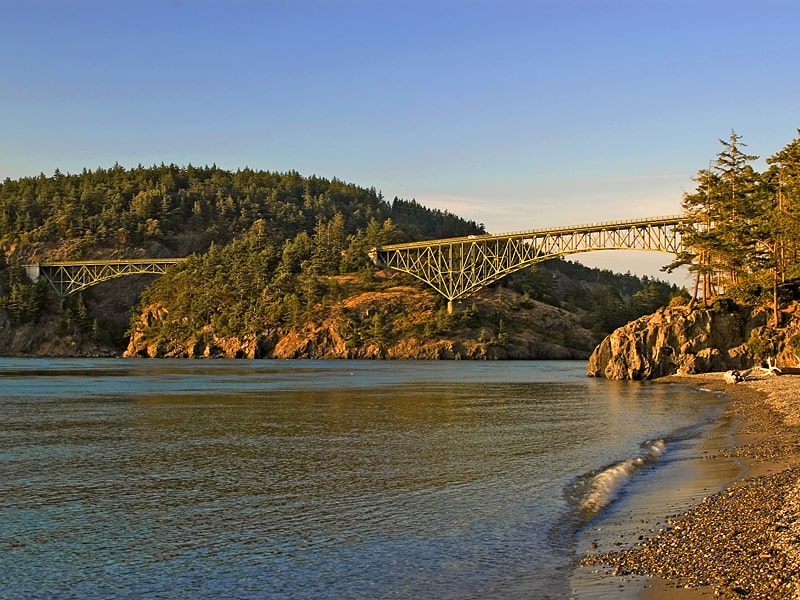
This is one of the most beautiful spots in Washington, with tons to explore from shoreline to forest trails. It’s a great choice for families and nature lovers — keep an eye out for whales, seals, and other wildlife.
👉 View map and details for Deception Pass State Park
Note: Most camping here is in developed campgrounds with fees, so this is a great low-cost option rather than fully free.
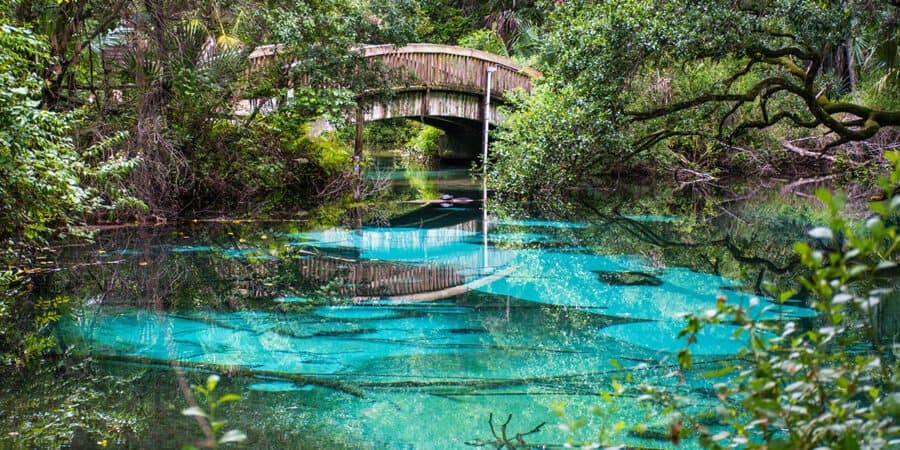
One of the best spots in Florida for free camping, Ocala National Forest is packed with outdoor activities. From crystal-clear springs to miles of trails, it’s perfect for swimming, paddling, and exploring year-round.
👉 View map and details for Ocala National Forest
Pro tip: Some areas fill up fast on weekends — arrive early to grab a good spot.
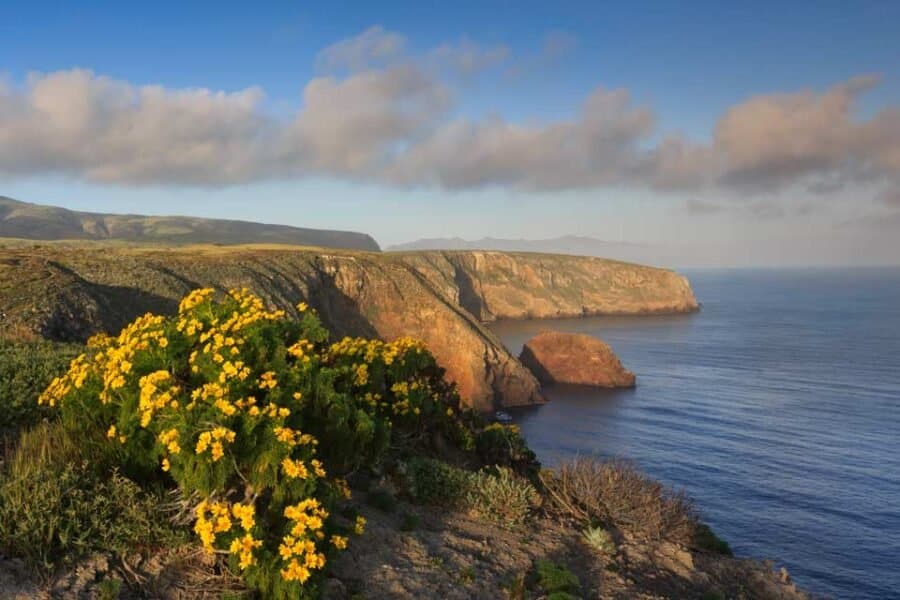
If you’re looking for a totally different camping experience, this one is hard to beat. Santa Cruz Island offers incredible coastal views and outdoor adventures, but you’ll need to plan ahead since there are no services once you arrive.
👉 View map and details for Santa Cruz Island
Note: Camping is primitive, but you’ll need to pay for boat transportation to reach the island.
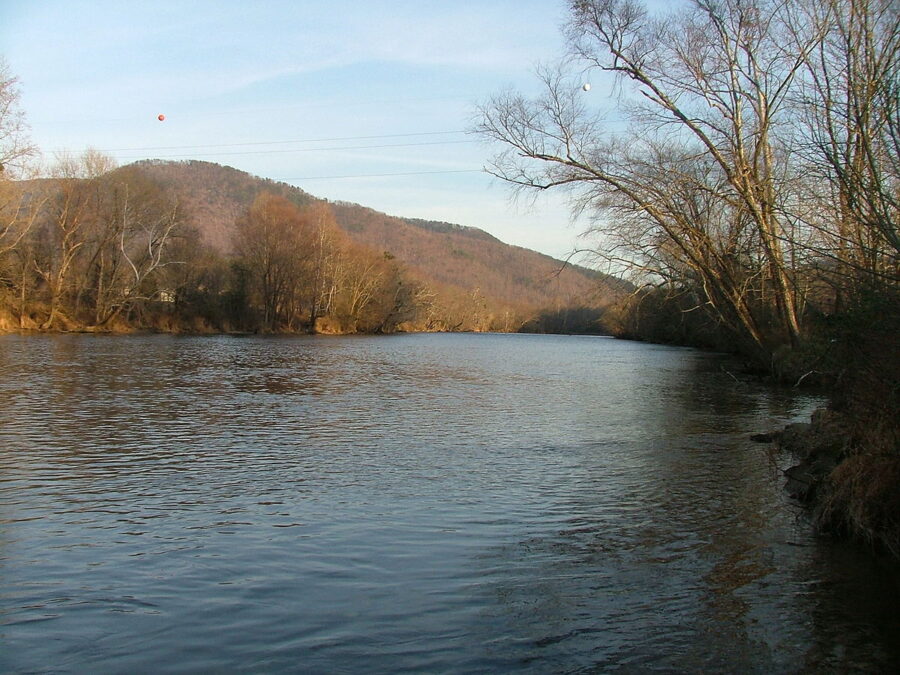
This area offers a mix of options, but if you’re looking to camp for free, head to the Fires Creek recreation area. It’s a peaceful spot with easy access to trails and water.
👉 View map and details for Fires Creek Recreation Area
Note: Nearby developed campgrounds along the river offer paid sites for tents and RVs if you want more amenities.
Tent camping is also permitted along most of the John Muir Trail above the Appalachia Powerhouse. It is a USDA FS managed area of the Cherokee National Forest.
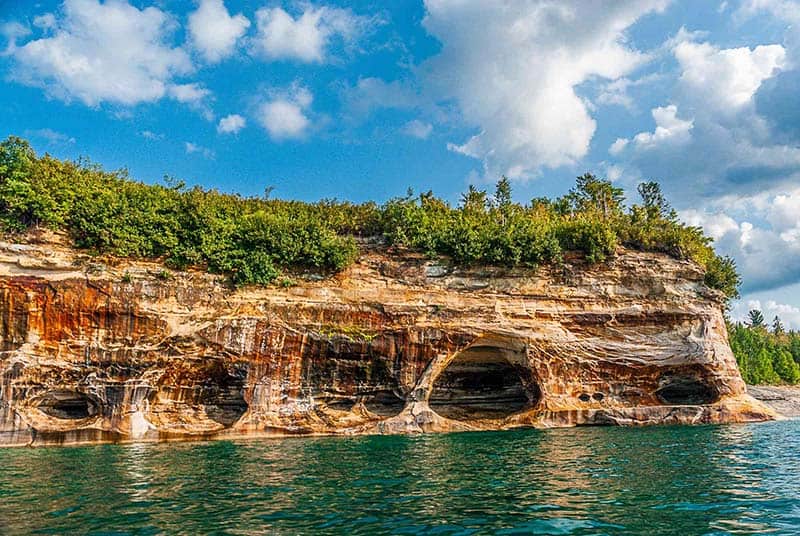
This is one of the most stunning spots in Michigan, known for its cliffs, beaches, and crystal-clear water. Backcountry camping is available if you’re willing to hike in and explore beyond the main areas.
👉 View map and details for Pictured Rocks National Lakeshore
Note: Backcountry sites are free, but a permit is required per person.
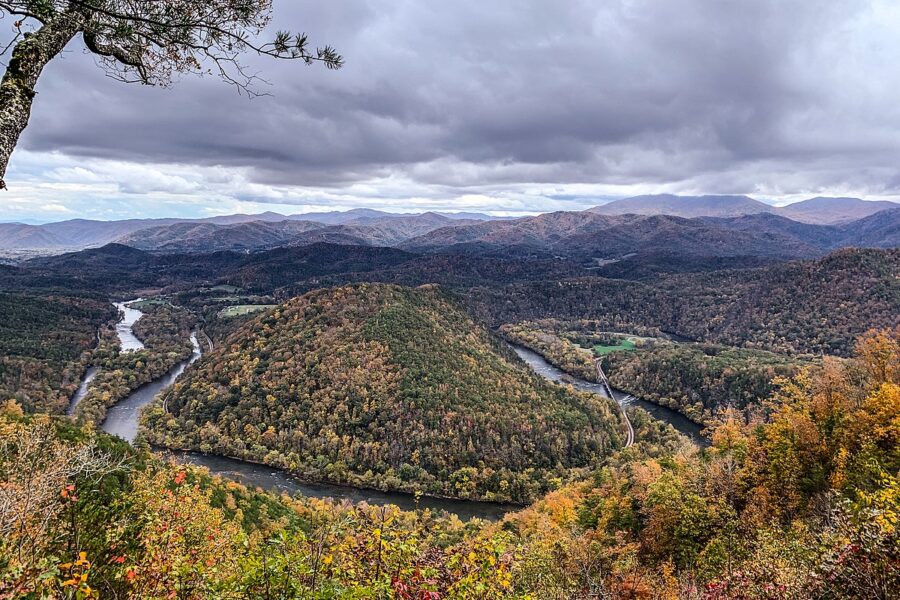
One of the best spots in Tennessee for free camping, Cherokee National Forest offers plenty of space to spread out and explore. It’s a great choice if you’re looking for easy access to trails and a quiet place to camp.
👉 View map and details for Cherokee National Forest
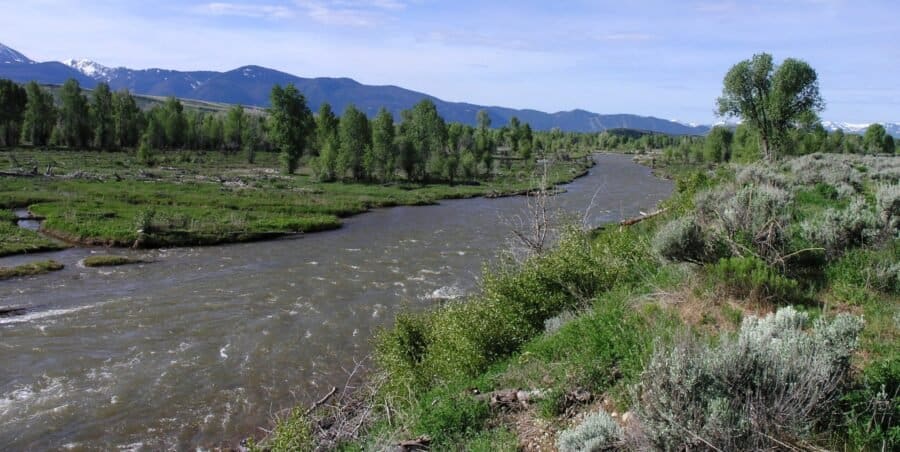
This area offers incredible mountain views and easy access to outdoor activities. If you’re looking to camp for free, check out dispersed camping options nearby — perfect if you want space and fewer crowds.
👉 View map and details for Gros Ventre camping area
Note: Developed campgrounds in the area offer paid sites with more amenities if you prefer a more comfortable setup.
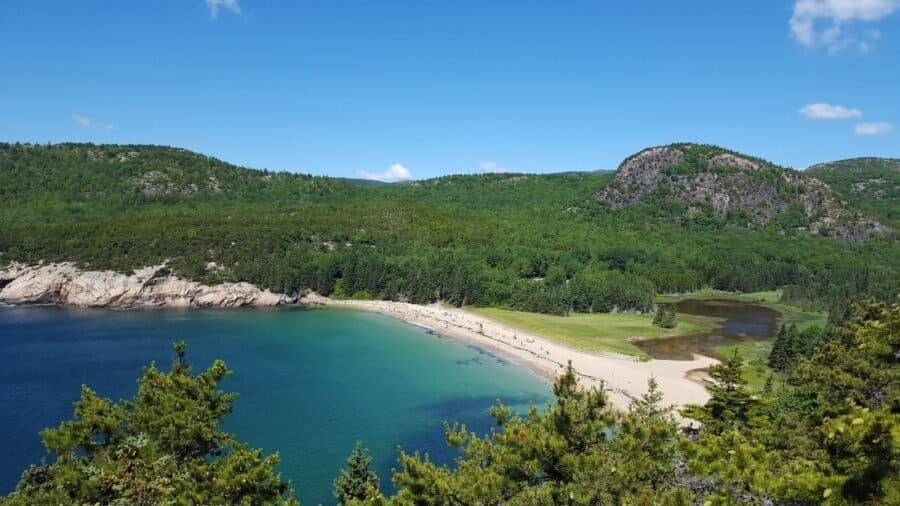
Acadia is one of the most beautiful parks in the U.S., with a mix of coastline and mountain views. It’s a great spot for outdoor adventures, but camping here is mostly in developed campgrounds.
👉 View map and details for Acadia National Park
Note: Free camping is very limited here — most campsites are paid (starting around $20), and backcountry camping is generally not allowed.
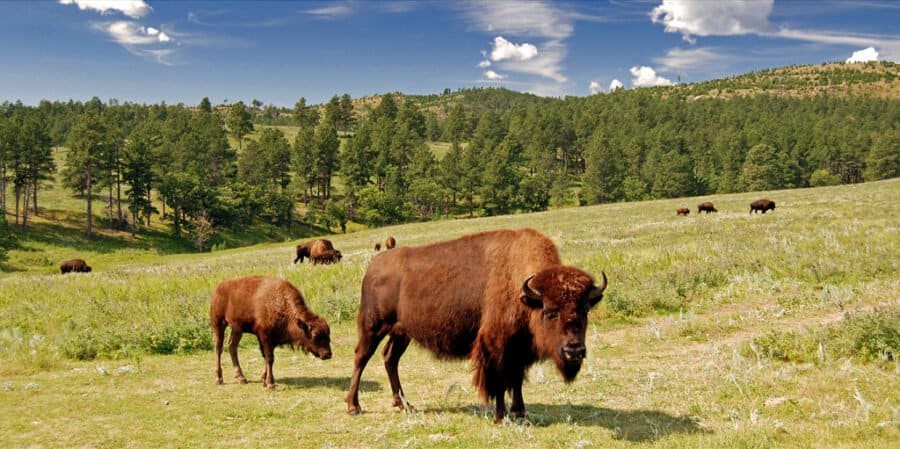
Custer State Park is known for its stunning views and wildlife (including bison), making it a great place to explore. It’s perfect for a mix of outdoor adventure and scenic camping.
👉 View map and details for Custer State Park
Note: Camping here is not free — most sites are in developed campgrounds with fees, and dispersed camping is generally not allowed within the park.
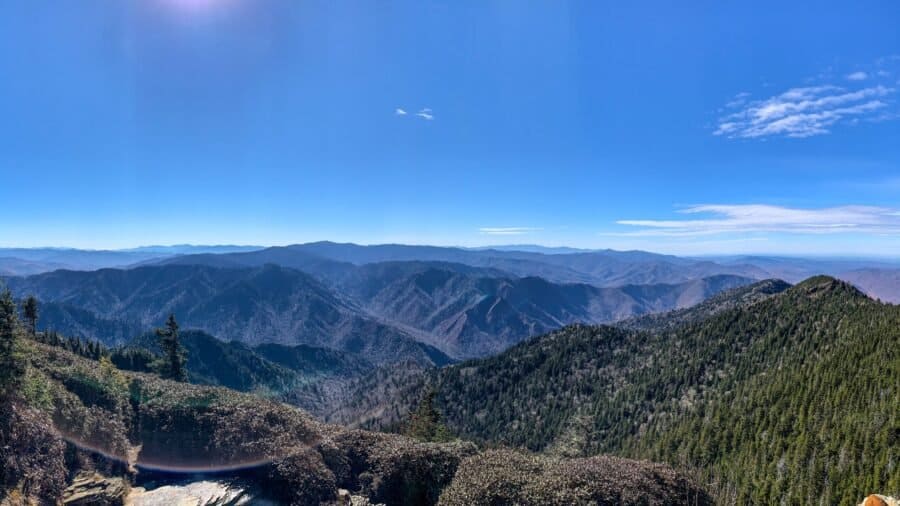
One of the most popular parks in the U.S., Great Smoky Mountains National Park offers several types of camping depending on how you like to camp:
👉 View map and camping details for Great Smoky Mountains
Note: Camping here typically requires reservations or permits, so this is a great low-cost option rather than completely free.
Rocky Mountain National Park is a stunning place to camp, with plenty of options depending on how you like to camp and what gear you’re bringing. It’s a great pick for scenic views and outdoor adventures.
👉 View map and camping details for Rockey Mountains
Note: Camping requires reservations and may require a timed entry permit, so this is a paid/low-cost option rather than free.
Visit Rocky’s Timed Entry Permit Reservation page for more details.
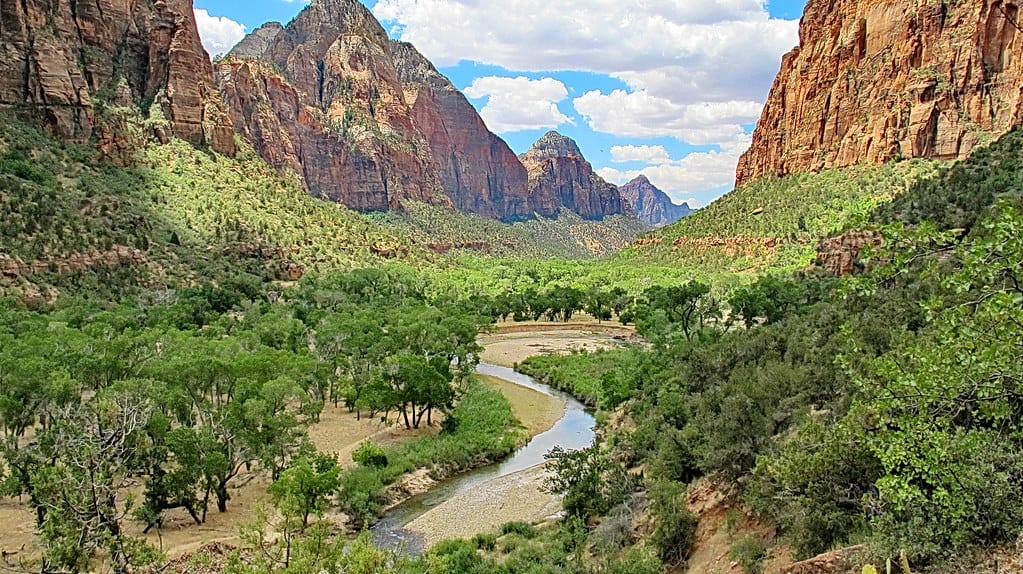
Zion is one of the most popular parks in the U.S., known for its incredible scenery and outdoor adventures. While camping inside the park is limited, there are several nearby areas like Kolob Reservoir and Gooseberry Mesa that offer more flexibility.
👉 View map and camping details for Zion National Park area
Note: Most camping in and around Zion requires fees or permits, so this is a low-cost option rather than completely free.
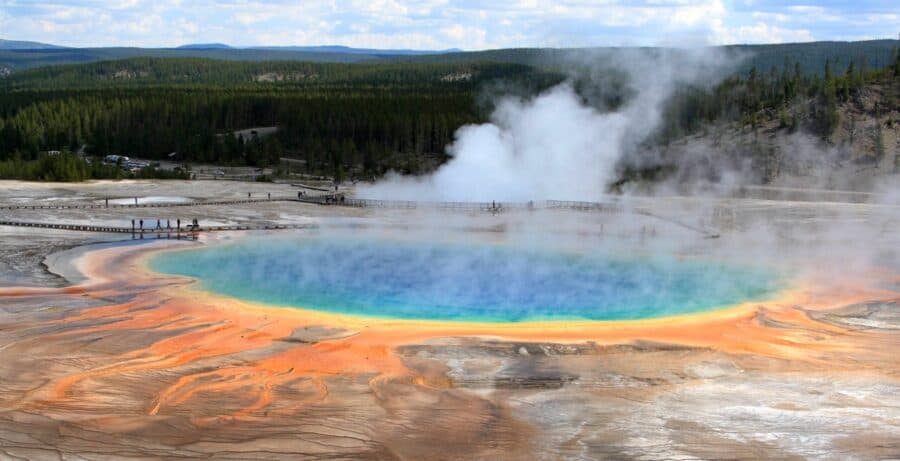
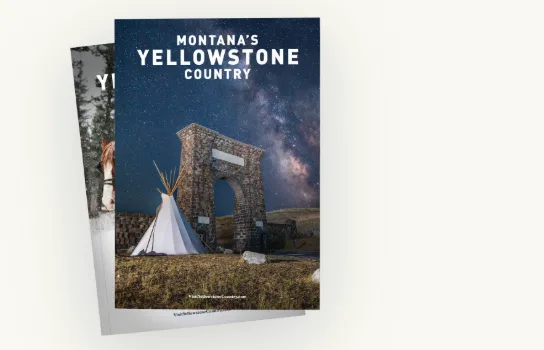
Yellowstone is one of the most iconic parks in the U.S., known for its geothermal features and wildlife. It’s an amazing place to visit, but camping inside the park is limited and highly competitive.
👉 View map and camping details for Yellowstone National Park
Note: Camping inside the park is mostly paid and requires reservations. Free camping is typically found outside the park boundaries on nearby National Forest land.
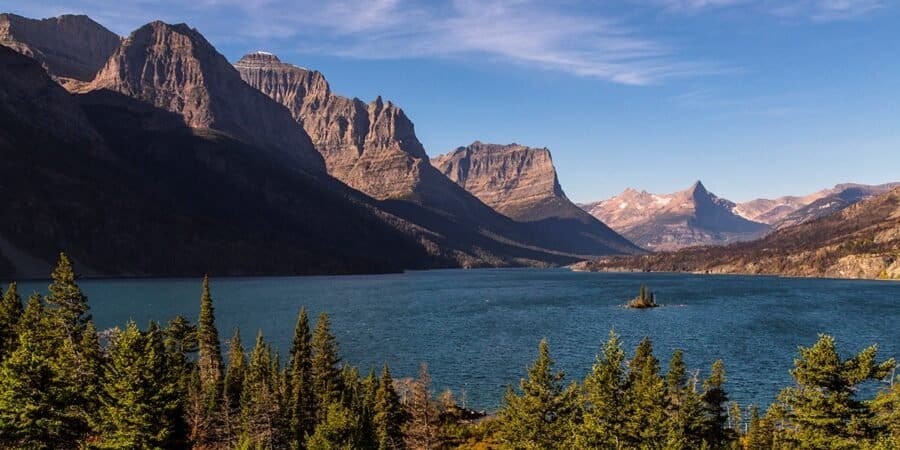
Glacier is one of the most beautiful parks in the U.S., but there’s no dispersed camping inside the park itself. For free options, head just outside the western border into Flathead National Forest, where you’ll find plenty of dispersed camping along forest roads.
👉 View map and camping details for Glacier National Park area
Note: Free camping is located outside the park in National Forest land — camping inside Glacier is paid and often requires reservations.
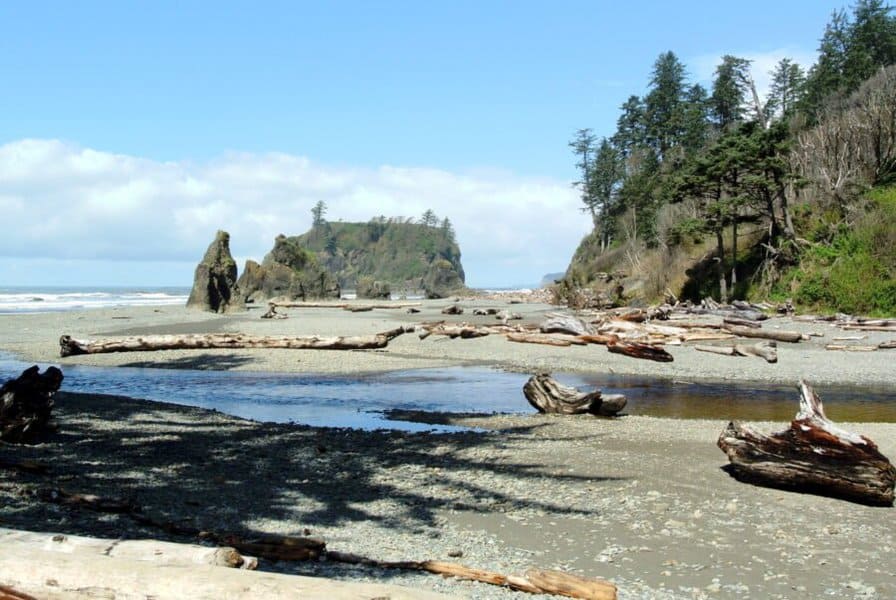
Olympic National Park is one of the most unique places to camp, with everything from rainforest to coastline. While most camping inside the park is in developed campgrounds, there are plenty of free options just outside the park on National Forest land and nearby areas.
👉 View map and camping details for Olympic National Park area
Free camping spots nearby include:
Bonus: Some travelers also use nearby casino parking areas (like Quinault Beach Resort & Casino) for overnight stays.
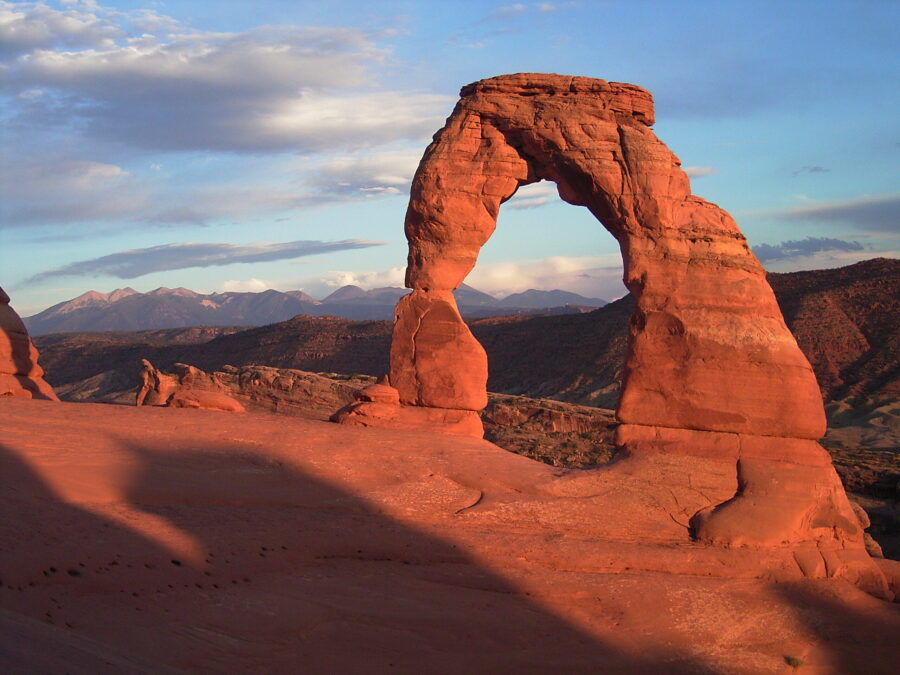
Arches is one of the most popular parks in Utah, known for its unique rock formations and scenic landscapes. While camping inside the park is limited, there are several free dispersed camping areas nearby around Moab.
👉 View map and camping details for Arches National Park area
Free camping spots nearby include:
Note: Devils Garden is the only campground inside the park and requires reservations during peak season. Most visitors without reservations will need to camp outside the park.
If you’re arriving at Arches without a reservation, you’ll probably have to look for a campsite outside the park. Between November and February, campsites are first-come, first-served.
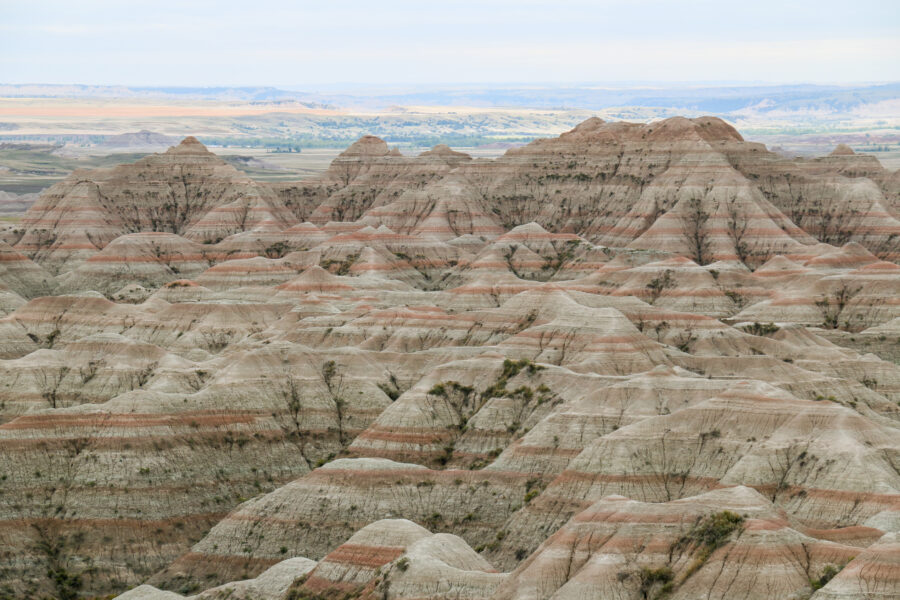
Badlands is one of the most unique landscapes in the U.S., with wide-open views and dramatic rock formations. It’s a great spot if you’re looking for something different and less crowded than other major parks.
👉 View map and camping details for Badlands National Park
Note: Free camping is available at Sage Creek Campground (first-come, first-served). Cedar Pass Campground is paid. Backcountry camping is allowed in certain areas with proper guidelines.
If you’re willing to do a little digging, there are tons of free and low-cost camping spots out there — you just need to know where to look.
Here are some of the best resources to help you find them:
One of the easiest ways to find campgrounds all over the U.S. They list thousands of public and private sites, and you can filter by location, amenities, and availability. Most of these are paid, but prices are often reasonable — especially compared to hotels.
This is one of the best ways to camp for free. BLM manages huge areas of public land where dispersed camping is allowed. Many of these spots don’t show up on typical campground apps, which means fewer crowds and more options.
The Army Corps of Engineers oversees many different campgrounds and recreation areas. These campgrounds are often located on lakes, rivers, or other bodies of water. Some of them are free to stay at, though others have a fee associated with them. To find the nearest Corps of Engineers area near you, check their website.
Many state parks have reservation websites where you can make a reservation for camping at one of their parks. While there is usually a fee to make a reservation, the fee is often very reasonable. And in some cases, if you’re planning on staying for a week or more, the weekly rate can be cheaper than the daily rate. Usually these are included in Reserve America but not always!
Great for finding both free and paid camping spots. You can see real reviews, photos, and tips from other campers, which helps you avoid bad spots and find the good ones.
If you want these free camping spots to stick around, this part matters.
When you’re camping in dispersed or backcountry areas, always leave things the way you found them — or better.
The more people take care of these areas, the longer they stay open and free for everyone.
If you’re going the free/dispersed route, a little prep goes a long way:
Free camping isn’t fancy — but that’s kind of the point. If you’re good with a little less comfort, you can save a ton of money and still have an amazing trip.
Have you ever camped somewhere for free? Was it worth it?