


How to Protect Yourself From Financial Scams for Free — Skip the $900/Year Services
This post may contain affiliate links. We may earn a small commission at no extra cost to you. Affiliate Disclosure.
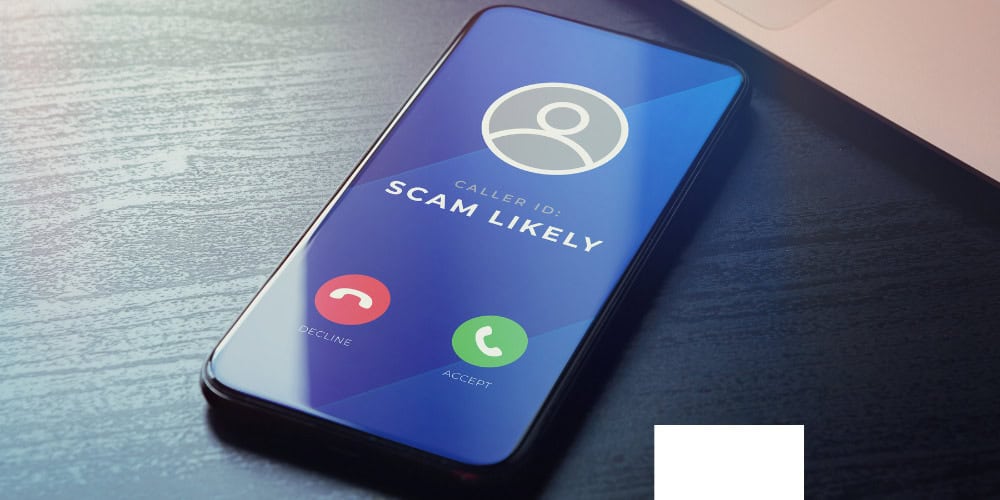
Credit monitoring services will happily charge you $20-$30 a month to protect your financial information. Here is the thing — you can do most of it yourself for free.
Financial scams are getting more sophisticated every year and knowing what to look for is your best protection. Here is everything I do to keep my family safe without paying anyone a dime for it.
Get Your Free Credit Report — The Right Way
You are legally entitled to one free credit report per year from each of the three major bureaus — Equifax, Experian and TransUnion. That is three free reports a year at AnnualCreditReport.com — the only government authorized free credit report site.
Space them out and check one every four months so you are always monitoring throughout the year.
You can also check your credit score completely free through Credit Karma — they notify you when there are changes like new accounts being opened. My whole fmaily has been using them for free. Totally free and easy to use!
Freeze Your Credit — It’s Free and Takes 10 Minutes
A credit freeze is the single most powerful thing you can do to protect yourself from identity theft — and it is completely free.
A frozen credit file means nobody can open a new account in your name even if they have all your information. You can freeze and unfreeze your credit yourself anytime online at all three bureaus:
- Equifax Credit Freeze — free, instant online
- Experian Credit Freeze — free, instant online
- TransUnion Credit Freeze — free, instant online
Do all three. Takes about 10 minutes total and provides more protection than most paid services. This is one of the best free things you can do for your financial security right now.
12 Ways to Protect Yourself From Financial Scams for Free
1. Never Give Your Information to Someone Who Called You
This is the golden rule. If someone calls you — no matter how legitimate they sound — never give out your Social Security number, credit card number, bank account number or any personal information.
The IRS does not call you. Your bank does not call asking for your full account number. If you are concerned hang up and call the institution directly using the number on their official website or the back of your card.
2. The IRS Will Never Call You
One of the most common scams going around — a caller claims to be from the IRS and says you owe money. They may even have some of your real information which makes it feel legitimate.
Do not confirm anything. Do not give them anything. Hang up immediately. The IRS contacts people by mail first — never by phone demanding immediate payment.
3. Question Odd Social Media Messages
If an old friend or family member you rarely talk to suddenly sends a second friend request and then a message with awkward conversation, spelling errors and a plea for money — it is a scam.
Their account was hacked. Contact them through another method — text or phone call — to let them know and never send money to anyone through social media.
4. Never Click Links in Emails — Go Directly to the Site
Phishing emails that look exactly like they are from PayPal, your bank, Amazon or any major company are everywhere. They copy logos and formatting perfectly.
The trick is the email address itself — something like servicecenter.paypal.com is NOT paypal.com. I never click through any email to log into anything.
If I want to check my account I type the address directly into my browser. Period.
5. Delete the Nigerian Prince Emails Immediately
You know the ones — a distant relative died and left a fortune, they just need your help moving the money and will split it with you. Or a lottery you never entered. Or a package being held at customs. Delete immediately without clicking anything.
These have been around for 30 years and they still work on people every single day. They are always scams. Every single time.
6. Set Up Free Fraud Alerts
A fraud alert is different from a credit freeze — it tells lenders to take extra steps to verify your identity before opening new credit in your name. It is free and you only have to contact one bureau — they are required to notify the other two.
Call or go online to set one up at Equifax, Experian or TransUnion and it automatically notifies all three.
7. Use Your Bank’s Free Alerts
Every major bank offers free transaction alerts — set them up so you get a text or email every single time your card is used. I have mine set to alert me for any transaction over $1.
If something shows up that I did not make I know immediately. This is completely free through your bank app and takes about two minutes to set up. No monthly fee. No subscription.
Just go into your bank app settings right now and turn it on.
8. Use a Free Password Manager
Using the same password everywhere is one of the biggest security mistakes people make. If one site gets hacked every account with that password is compromised.
Bitwarden is completely free, open source and generates unique strong passwords for every site you use. No monthly fee. No subscription. Just free solid password protection.
9. Enable Two Factor Authentication Everywhere
Two factor authentication — 2FA — means even if someone gets your password they still cannot get into your account without a second code sent to your phone.
Turn it on for your bank, email, Amazon, PayPal and anywhere else that offers it. It is free, takes 30 seconds to set up and makes your accounts dramatically more secure. Go do this right now — seriously.
10. Register for the Do Not Call List — Free
Go to donotcall.gov and register your number for free. It will not stop all scam calls but it reduces legitimate telemarketing significantly.
Any call you get after registering that is pitching something is almost certainly a scam — hang up immediately without engaging.
11. Use Google Voice for Online Forms
Get a free Google Voice number and use it whenever a website or form asks for your phone number. Your real number stays private. Scam calls go to Google Voice instead of your actual phone.
Completely free and takes five minutes to set up.
12. Check Your Social Security Statement for Free
Create a free account at ssa.gov/myaccount and check your Social Security earnings record at least once a year. If someone has been working under your Social Security number it will show up here.
Completely free and takes about ten minutes. This is one most people have never done and absolutely should.
What You Are Replacing — Free vs Paid
| Paid Service | Monthly Cost | Free Alternative |
|---|---|---|
| Credit monitoring service | $20-$30/month | AnnualCreditReport.com + Credit Karma |
| Identity theft protection | $10-$25/month | Credit freeze at all 3 bureaus |
| Fraud alerts service | $5-$15/month | Free fraud alert at any bureau |
| Password manager premium | $3-$5/month | Bitwarden free tier |
| Transaction monitoring | Included in above | Free bank transaction alerts |
| Total replaced | $38-$75/month | $0 |
That is up to $900 a year you do not need to spend on services you can do yourself for free in about an hour total setup time.
Financial Scam Protection — Frequently Asked Questions
Is freezing my credit really free?
Yes — completely free at all three bureaus since 2018. You can freeze and unfreeze anytime online instantly. It is the single most effective thing you can do to prevent identity theft.
What is the difference between a credit freeze and a fraud alert?
A credit freeze completely blocks new credit from being opened in your name. A fraud alert just flags your file so lenders have to do extra verification. A freeze is stronger — do both for maximum protection.
Do I really need a paid credit monitoring service?
No — everything a paid service does you can do yourself for free using AnnualCreditReport.com, Credit Sesame, your bank’s free alerts and a credit freeze. Save the $20-$30 a month.
What should I do if I think I have been scammed?
Act immediately — call your bank and freeze your cards, freeze your credit at all three bureaus, file a report at IdentityTheft.gov and report the scam to the FTC at ReportFraud.ftc.gov. Speed matters — the faster you act the better.
Looking for more ways to protect and save your money? Check out my Money Hacks section — real ways to keep more money in your pocket every single day!