
Finding quality furniture for free is entirely possible if you know where to look. Instead of relying on a single source, a strategic, multi-platform approach that focuses on local networks and non-profits is the key to success!
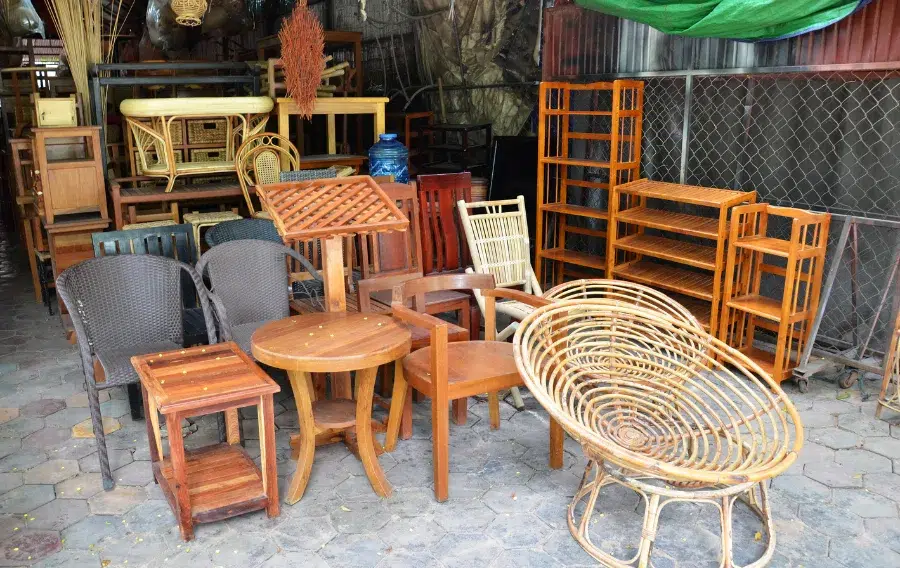
Forget driving aimlessly around town hoping to spot a curbside gem. After years in the free furniture game, I’ve learned that success comes from adopting a smart, multi-platform strategy. It’s about knowing exactly where to focus your energy to find the items you want, quickly and safely.
The Thrill and the Risk: Is Free Furniture Worth the Hunt?
There is no better feeling than furnishing an apartment or house without spending a dime. Free furniture offers an incredible path to saving money, reducing landfill waste, and achieving that sought-after vintage or upcycled look. It’s a goal embraced by college students, new homeowners, and budget-conscious families alike.
However, the word “free” rarely means “without cost.” While you won’t pay dollars, you will pay in time, effort, and sometimes, risk. Before you start your hunt, it’s critical to know what you’re getting into.
The hunt for free furniture is a calculated risk. By following the steps in this guide, you will maximize your chances of scoring the good without suffering the bad.
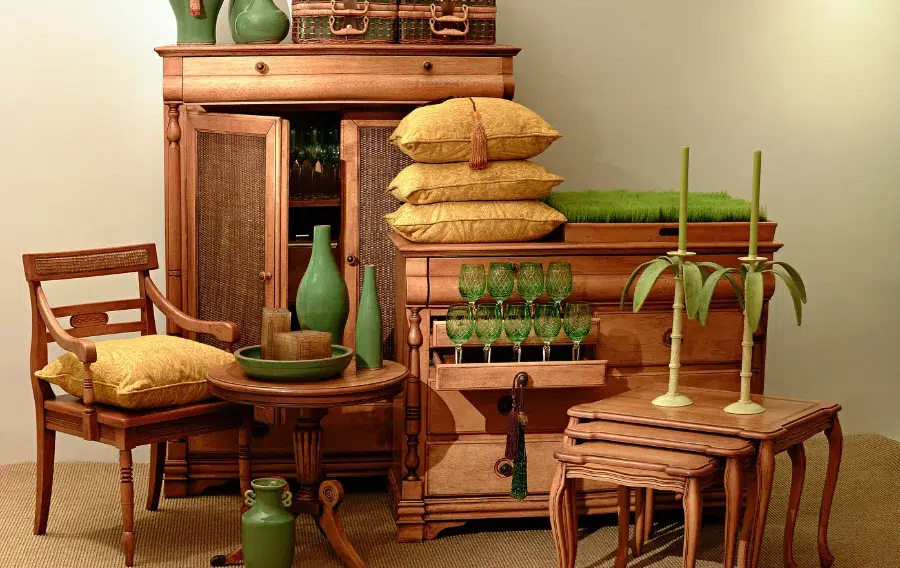
1. Hyper-Local Community Networks
These platforms are the best for quick wins and often yield furniture in the best condition, as neighbors just want to pass on items quickly and easily.
- Buy Nothing Project/Groups: Search Facebook for a “Buy Nothing [Your Town/Neighborhood]” group. This worldwide movement is dedicated to hyper-local gifting, with no trading or selling allowed.
- Facebook Marketplace (The “Free” Filter): Go to Facebook Marketplace, set your location and radius, and immediately filter the price to “Free” ($0). Be prepared to act fast.
- Nextdoor: This neighborhood-specific social network is a great place to find local “Curb Alerts” or neighbors offering free items simply to declutter.
- Freecycle: A non-profit online gifting network specifically dedicated to keeping stuff out of landfills. You can post an “In Search Of” request or browse available listings in your area.
2. Non-Profit Organizations and Assistance Programs
If you are in genuine need, several national and local organizations specialize in giving or providing furniture to families and individuals transitioning out of crisis.
3. The “Curb Alert” and End-of-Month Strategy
This method requires effort and good timing, but it’s a classic way to find furniture.
- End of the Month: The last week of the month, especially near college campuses or high-turnover apartment complexes, is the best time to find move-out items left at the curb. People simply don’t want to move large items.
- Business Liquidations: Look for local office buildings or stores that are closing down. They often give away desks, chairs, and filing cabinets simply to avoid disposal fees. Search local news for “office closing” or “business liquidation.”
- Curbside Pick-up Apps: Apps like TrashNothing (a Freecycle offshoot) or similar local apps aggregate listings from multiple sources, making it easier to spot an item the moment it’s posted on the street.
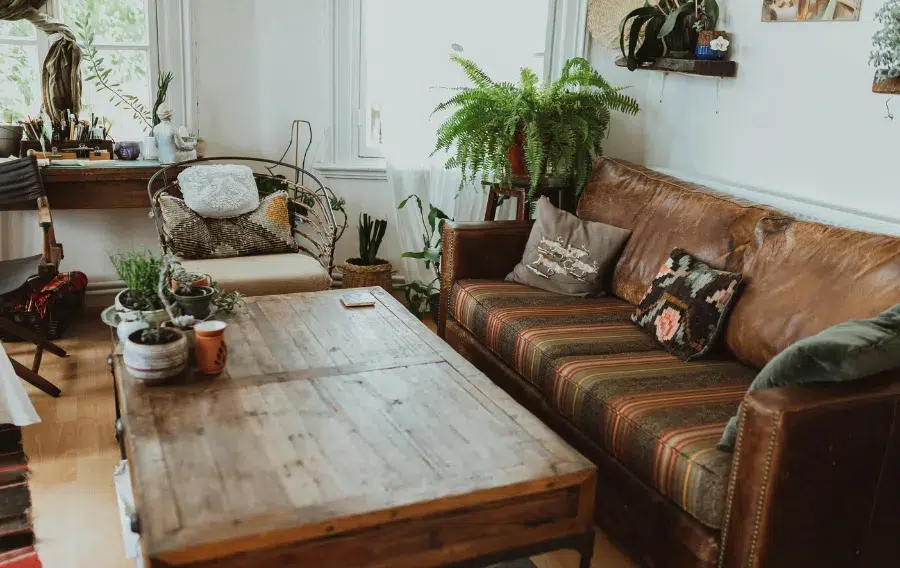
⚠️ Quick Tips for Success
- Act Fast: The person who can pick up the item first and as soon as possible usually gets it.
- Be Ready to Move: Never rely on the person giving away the furniture to deliver. Have a truck, a large SUV, or at least a friend ready to help you move the item.
- Inspect Thoroughly: Always check any upholstered item (mattresses, couches, chairs) for pests (like bed bugs) or mold before loading it into your vehicle.
The Golden Rule: Avoid Anything Soft or Upholstered
The single biggest danger when taking free furniture is bringing home bed bugs, fleas, or mold. These pests can hide deep within fabrics and foam, survive months without feeding, and quickly infest your entire home.
1. The Big NO-NOs (Avoid at All Costs)
- Mattresses and Box Springs: This is the highest-risk item you can take. They harbor dust mites, bodily fluids, allergens, and are the primary breeding ground for bed bugs. Even if the mattress looks clean, there is no way to inspect or reliably sanitize the core. Buy new.
- Couches, Sofas, and Upholstered Armchairs: While tempting, these are enormous risk magnets. Pests can hide in seams, cushions, and internal wooden frames. Unless the item comes directly from a trusted, clean family member or friend, the risk of an infestation is too high.
- Used Pillows and Throw Pillows: These are impossible to completely sterilize and collect dust mites, allergens, and bodily fluids over time.
2. High-Risk Items (Proceed with Extreme Caution)
- Rugs and Carpets: Large rugs can conceal pet stains, mold (if left outside), and pest eggs. If you do take one, it should go to a professional cleaner before entering your home.
- Baby Cribs and Car Seats: Never accept a free, used crib. Older models may not meet current safety standards, and car seats have expiration dates. Buy new for safety.
- Heavily Damaged Items: Pressboard or particle board furniture that is bowed or water-damaged will not hold up to repair, and the damage encourages mold.
3. Logistical Nightmares (Not Worth the Effort)
- Massive Sectionals or Appliances You Can’t Test: If an item is so large that you need to rent professional equipment or movers, it ceases to be “free.” Similarly, electrical appliances should be tested thoroughly, as a non-working item will cost you a disposal fee.