
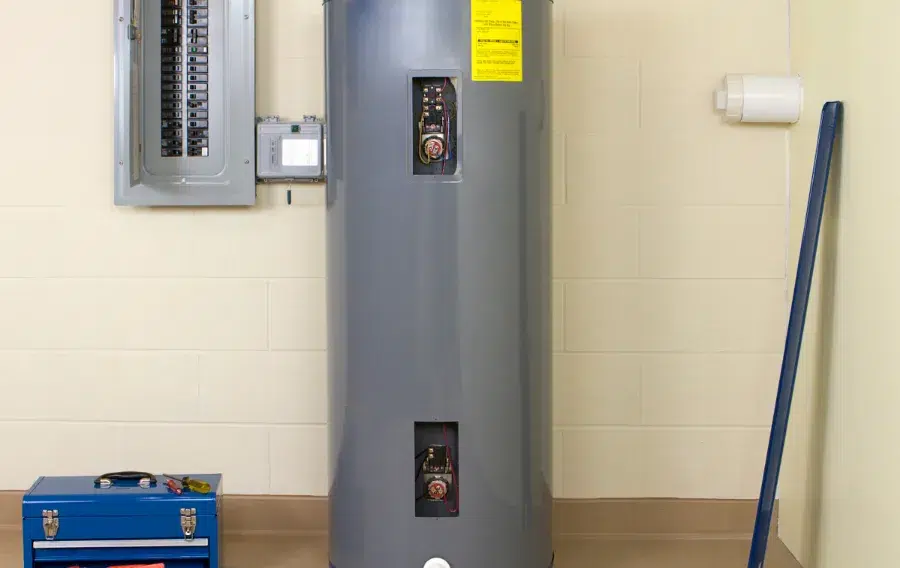
Hot water not getting hot enough?
Here at SwagGrabber we are all about saving money and trying to fix things rather than jumping on the calling a pro bandwagon. Sometimes things are easy to fix if you just know what to look for!
When your hot water suddenly isn’t hot enough, it’s easy to panic and think you’ll need to spend hundreds on a plumber. But here’s the good news: many hot water issues can be safely fixed at home with zero cost if you know what to look for.
Whether you have an electric water heater, a gas unit, or even a tankless system, there are several quick checks and DIY solutions that may restore your hot water without touching your wallet.
Below, are some of the most common causes of “lukewarm” water, safe step-by-step fixes, and when to know it’s time to call in a pro.
1. Start with Safety First
Before you do anything with your water heater, safety is key:
-
Turn off power to the heater at the breaker panel if it’s electric.
-
Turn the gas control to pilot or off if it’s a gas unit.
-
Don’t open any panels while the unit is powered.
-
Use gloves if you’re working around sharp sheet metal.
You’re not making major repairs here — just basic checks that are completely safe for homeowners.
2. Check the Temperature Setting
It may sound too simple, but sometimes the thermostat dial gets bumped.
-
Look for the temperature dial on the side of your tank.
-
Safe range is 120°F to 140°F.
-
If it’s set too low, turn it up slightly.
-
Wait a couple hours to see if water heats properly.
Free fix: Adjusting the thermostat requires no tools and no money.
3. Flush Sediment Buildup
Over time, minerals and sediment settle in the bottom of your tank. This creates a layer that prevents water from heating evenly.
Signs of sediment buildup:
-
Rumbling or popping noises when the heater runs.
-
Cloudy or dirty hot water.
-
Hot water runs out quickly.
DIY Flush (basic version):
-
Turn off power or gas to the heater.
-
Attach a garden hose to the drain valve at the bottom.
-
Run hose to a safe drain outside.
-
Open the valve and let a few gallons drain.
-
Close the valve, turn water supply back on, and restart heater.
Even a quick flush can free trapped heat and restore hotter water.
4. Inspect the Shower Mixing Valve
If hot water seems fine at one faucet but lukewarm at another (usually the shower), the culprit may not be your water heater at all.
Mixing valves blend hot and cold water to prevent scalding. Over time, they can wear out or stick, leaving you with cooler water.
Free fix:
-
Test multiple faucets. If only one is affected, it’s likely the valve.
-
Unscrew the shower handle, clean out mineral buildup, and re-seat the valve.
5. Test for a Tripped Reset Button (Electric Heaters)
Electric water heaters have heating elements controlled by thermostats. If one trips, your water won’t get hot enough.
Steps:
-
Shut off power at breaker.
-
Remove access panel and insulation.
-
Look for a small red button labeled “RESET.”
-
Press it. If it clicks, it was tripped.
-
Replace insulation and panel, then restore power.
This simple reset can fix a surprisingly high number of lukewarm water issues.
6. Check the Dip Tube
Inside your tank, the dip tube pushes cold water to the bottom to be heated. If it’s broken, cold water mixes at the top, giving you lukewarm water.
DIY check:
-
Run only hot water at the tap.
-
If it starts hot but quickly goes lukewarm, the dip tube may be cracked.
Free workaround:
While replacing the tube is cheap, a free temporary trick is to lower your hot water usage until you can replace it — run shorter showers and space out hot water use.
7. Check Gas Heater Pilot Light & Burner
For gas units:
-
Pilot Light: If out, relight it following the instructions on the tank.
-
Burner Clogs: Dust or debris in the burner area reduces heat.
DIY fix:
-
Turn gas off.
-
Use a vacuum with hose attachment to clean burner area.
-
Relight pilot and test water.
8. Insulate Hot Water Pipes
If hot water loses heat on the way to your faucet, it could be uninsulated pipes — especially if the heater is in a garage, basement, or crawl space.
Free fix:
-
Wrap pipes with old towels, rags, or leftover foam insulation.
-
Focus on the first 3–6 feet coming out of the heater.
This helps water stay hotter longer, without touching the heater itself.
9. Check Water Usage Habits
Sometimes the heater is fine, but demand is higher than usual:
-
Multiple showers back-to-back.
-
Laundry and dishwasher running at same time.
Free fix: Space out hot water use. Even a healthy heater needs time to recover.
10. Tankless Heater Issues
If you have a tankless unit and water isn’t hot enough:
-
Clean the inlet filter — sediment can block flow.
-
Descale the unit if you live in a hard water area (vinegar flush).
-
Check flow rate — tankless units need a minimum flow to trigger heating.
Most of these are quick, no-cost steps if you already have vinegar and basic tools.
11. Seasonal Temperature Shifts
In winter, incoming cold water is much colder. This makes your heater work harder, and sometimes water feels cooler even if the heater is working fine.
Free fix:
-
Raise the thermostat slightly (no higher than 140°F for safety).
-
Run slightly less cold water when mixing.
12. When to Call a Professional
Not every issue is DIY-safe. Call a plumber if:
-
You see water leaks around the tank.
-
The breaker keeps tripping or reset button won’t stay engaged.
-
There’s a gas smell near your heater.
-
Tank is 10–15 years old and failing regularly.
At that point, repairs may not be free — but by ruling out all the common causes above, you’ll know you tried everything safe first.
Fixing lukewarm water doesn’t always mean an expensive repair. Many times, it’s as simple as flushing sediment, pressing a reset button, adjusting the thermostat, or cleaning out a faucet valve. By learning to check these things yourself, you can often restore hot water in under an hour without spending a dime.
The key is to start small, stay safe, and rule out simple fixes first. If none of these work, then it’s time to bring in a pro — but at least you’ll know you’ve done everything you can for free!
Good luck!
NOTE: We’re not professional plumbers or water heater experts — just homeowners sharing what has worked for us when our hot water wasn’t getting hot enough. These are simple, safe checks and fixes we’ve personally tried at home to save money before calling in a pro. If you ever feel unsure, unsafe, or run into bigger issues, it’s always best to reach out to a licensed plumber.