

9 Surprising Ways to Reuse Dryer Lint for FREE Stuff | Stop Tossing Dryer Lint!
This post may contain affiliate links. We may earn a small commission at no extra cost to you. Affiliate Disclosure.
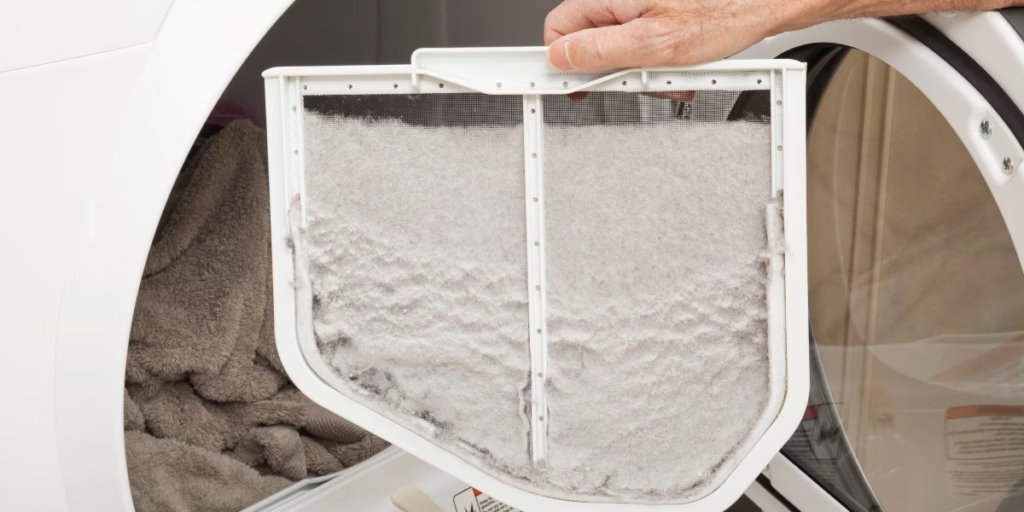
Dryer lint is one of those things most of us scoop out and toss without a second thought. But if you’re anything like us, throwing something away without at least wondering, “Can I use this for something?” feels like a missed opportunity.
When you’re trying to stretch your budget, reduce waste, or just get more creative at home, everyday “trash” can turn into seriously useful stuff. Dryer lint is a perfect example — soft, lightweight, and surprisingly versatile.
Before you start saving every fuzzy handful, one quick note: lint made from mostly natural fibers (cotton, wool, linen) is best for reuse. If you use lots of synthetic fabrics or dryer sheets, some projects — especially garden ones — are better skipped or used cautiously.
With that in mind, here are some of our favorite clever, budget-friendly ways to reuse dryer lint in the craft room and the garden instead of sending it to the landfill.
1. Make DIY Fire Starters for Campfires & Fire Pits
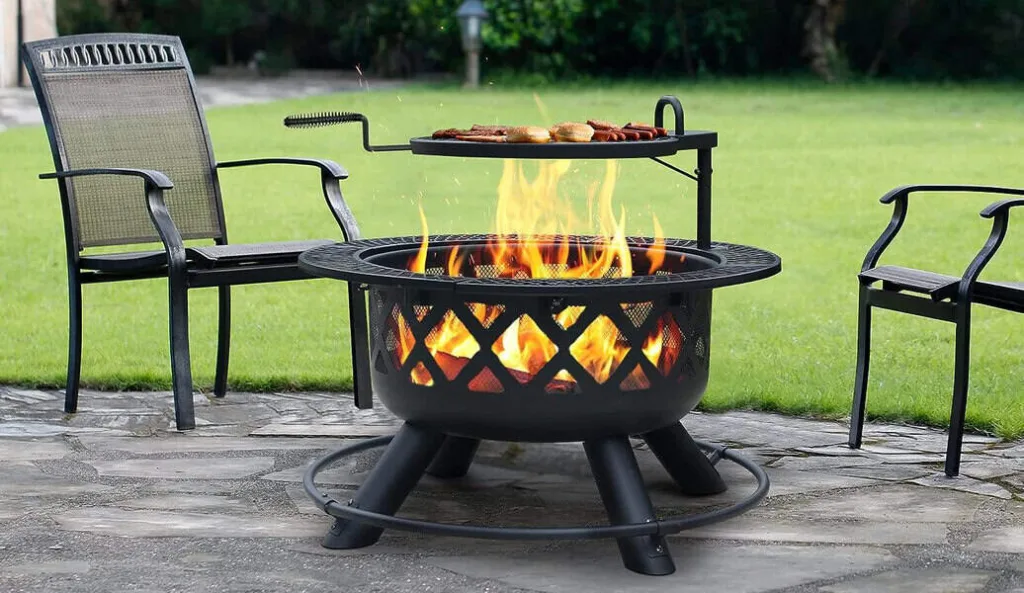
First up, the classic survival hack that still deserves a spot on this list: fire starters. Dryer lint is incredibly flammable, which makes it perfect for starting campfires, fireplaces, fire pits, or even charcoal grills.
Pack lint into empty toilet paper rolls, egg cartons, or small paper cups, then add a little melted wax from old candles. Once it hardens, you’ve got waterproof, ultra-cheap fire starters that work better than many store-bought options. Keep a stash in your camping bin, emergency kit, or backyard fire pit supplies. It’s one of those simple DIYs that pays off over and over.
2. Use as Free Stuffing for Crafts & Plush Projects
If you enjoy crafting, lint can be a surprisingly useful stuffing material. It works well for small plush toys, pincushions, ornaments, or decorative pillows that don’t need a perfectly smooth fill. Because it compresses easily, it’s ideal for projects where you want a soft but firm shape.
We especially love using it for holiday crafts with kids — think DIY snowmen, pumpkins, or handmade decorations. It’s free, lightweight, and saves you from buying bags of polyfill for small projects.
3. Turn Dryer Lint Into Handmade Paper
Lint can also be turned into homemade paper. This is a fun rainy-day activity that feels part craft project, part science experiment. Blend lint with water (and optionally scraps of paper) to create a pulp, then spread it onto a screen or mesh to dry.
Once pressed and flattened, it forms a textured handmade paper that’s perfect for gift tags, art projects, or rustic stationery. The results aren’t perfectly smooth, but that’s part of the charm — every sheet is unique.
4. Use as Practice Filling for Sewing & Quilting
In the sewing room, dryer lint makes an excellent practice filler. If you’re testing new patterns, practicing stitches, or experimenting with shapes, there’s no reason to use expensive stuffing.
Fill test pieces with lint instead. It gives you a realistic sense of weight and volume without wasting materials. Quilters can also use it to stuff small pin cushions or fabric weights.
5. Add to Container Pots to Help Retain Moisture
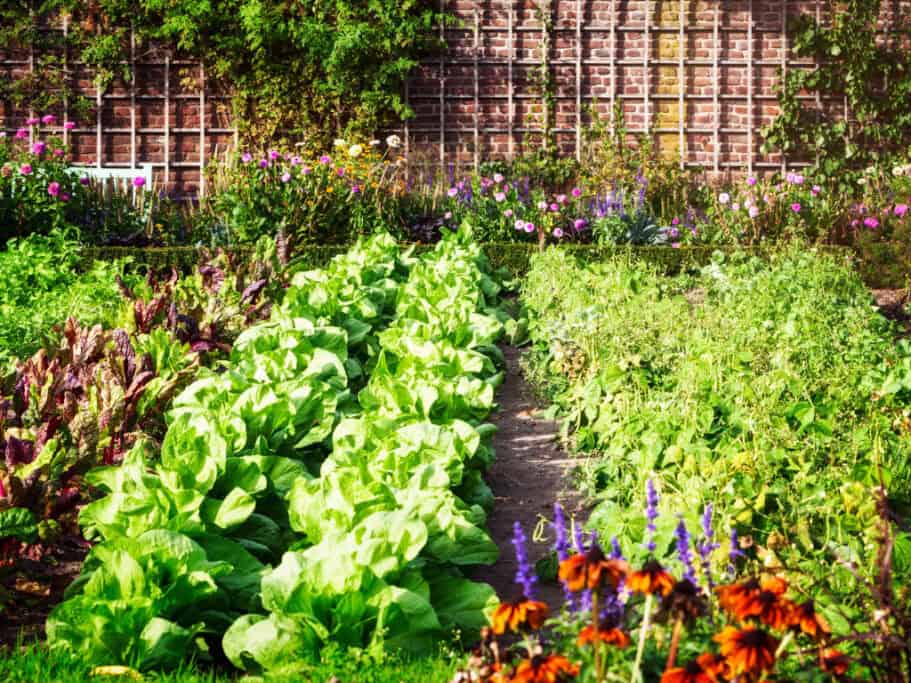
For gardeners, lint can help with moisture retention in containers — with a few precautions. A thin layer at the bottom of pots can help slow water runoff, acting almost like a sponge. This works best if the lint comes from natural fabrics and hasn’t been treated with heavy fabric softeners.
It’s not a replacement for proper soil or drainage layers, but it can help keep container plants from drying out quite as quickly during hot weather.
6. Create a Temporary Weed Barrier in Garden Beds
Another clever garden use is as a temporary weed barrier. Spread a thin layer of lint around plants before adding mulch. It won’t last forever, but it can help block sunlight from reaching weed seeds during the critical early weeks of growth. Over time, natural-fiber lint will break down, adding a bit of organic matter back into the soil.
7. Offer as Nesting Material for Backyard Birds
Lint can also be used as nesting material for birds — but only if it’s clean and chemical-free. Place small amounts in a suet cage, mesh bag, or shallow container in spring when birds are building nests. Many species will happily gather soft fibers to line their homes.
Avoid using lint from synthetic fabrics or heavily scented laundry products, as those can be harmful. When done carefully, this is a simple way to support backyard wildlife.
8. Add Natural-Fiber Lint to Your Compost Pile
If you compost, dryer lint made from natural fibers can go into your pile as a “brown” material. It helps balance kitchen scraps and other nitrogen-rich waste. Because lint is so fine, mix it thoroughly to prevent clumping and allow airflow. It breaks down surprisingly well and keeps perfectly usable organic material out of the trash.
9. Use for Spill Cleanup & Messy DIY Projects
One of the simplest uses is also one of the most practical: cleaning up small spills or messes. Dryer lint is very absorbent. Keep a small container under the sink or in the garage to grab for oil drips, paint splatters, or craft glue accidents. It’s especially handy for wiping tools or absorbing liquids before a final clean.
Uses to Avoid
Because lint can contain microplastics, it’s not a good choice for widespread soil amendment or for feeding worms. It also shouldn’t be flushed, burned indoors without proper ventilation, or used near food surfaces. Like many reuse ideas, the key is using it thoughtfully.
Saving dryer lint might seem like a tiny thing, but small habits add up. Finding ways to reuse everyday waste keeps useful materials in circulation, saves money, and sparks creativity. It’s also a fun reminder that you don’t need fancy supplies to make something practical or beautiful. Sometimes the best DIY resources are already hiding in your home.
Next time you clean the lint trap, pause before tossing it. Whether it becomes a fire starter, craft filler, garden helper, or bird nesting supply, that little handful of fluff can do a lot more than you’d expect. And honestly, there’s something deeply satisfying about turning something destined for the trash into something genuinely useful.
If you start collecting it in a small jar or bin, you’ll be surprised how quickly you build a stash — and how often you reach for it once you know all the possibilities. It’s one more simple, smart way to make your home a little more resourceful and a little less wasteful.