
A little while ago, I shared 7 tips to protect yourself online, and one of the biggest takeaways was staying alert for phishing attempts.
In 2026, scammers have officially leveled up—they’re now using AI to craft grammatically perfect, professional emails that look scarily real.
The “obvious” typos of the past are gone, but there are still hidden clues if you know where to look.
I just received a “perfect” example of a modern bank phishing attack, so let’s break down exactly what to watch for before you click!
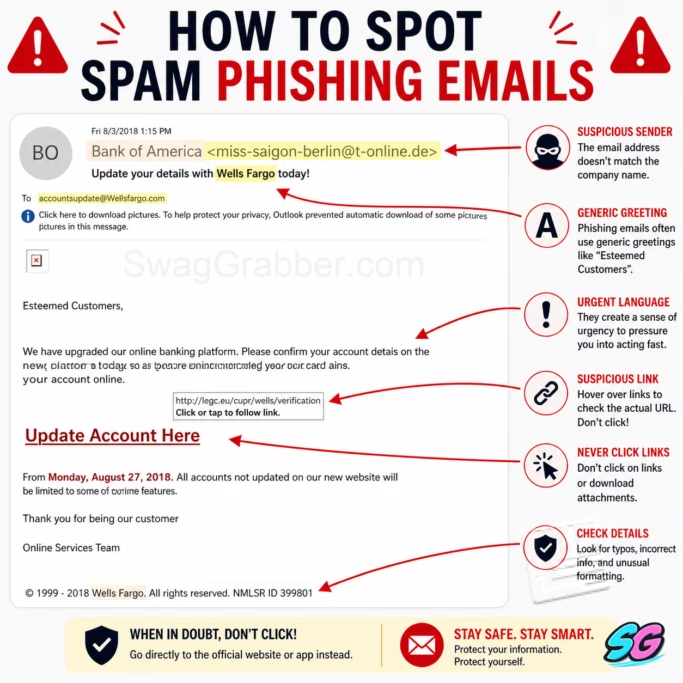
1. The “Brand Identity” Crisis
Look at the top of the example below. It says Bank of America, but the subject line says “Update your details with Wells Fargo today.” Then, notice the Wells Fargo logo at the bottom.
A legitimate bank will never send you an email branded by their competitor! Scammers play the odds hoping you have accounts at both banks to make the email feel more urgent.
2. Check the “Hidden” Sender Address
Don’t trust the display name. Look at the actual email address: Bank of America <miss-saigon-berlin@t-online.de>. That is a .de (Germany) address. A major US bank would never contact a customer from a foreign, personal email account.
3. Generic vs. Personal Greetings
“Esteemed Customers” or “Dear Valued Member” are red flags. Most banks in 2026 use your actual name. If the salutation sounds like it’s from a generic template or a Victorian novel, it’s likely a scam.
4. The “Hover” Test (The Most Important Step!)
The goal of this email is to get you to click that “Verify Now” button. NEVER CLICK IT. If you hover your mouse over the link (or long-press on mobile), you will see the real destination URL. It will likely be a string of gibberish designed to steal your login credentials and password.
Quick 2026 Safety Tips:
- Go Direct: If you’re worried, close the email and log in via the official bank app or website.
- The Back of the Card: Always call the number on the back of your physical debit card, never a number provided in an email.
- MFA: Ensure Multi-Factor Authentication is turned on for all financial accounts!
Hope these tips help keep you protected! Have you seen any scarily realistic scams lately? Let us know in the comments!