
Here’s how to maximize the freshness of your produce using only what you likely already have at home!
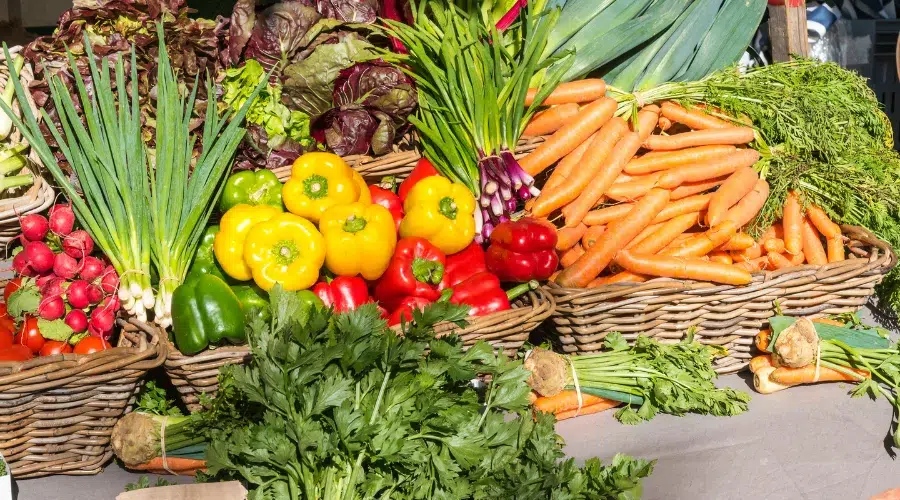
Food Preservation Hacks!
It’s incredibly frustrating, isn’t it? You buy fresh fruits and vegetables with the best intentions for healthy eating, only to watch them spoil before you can enjoy them. That waste of food and money can be truly disheartening.
The trick is, you don’t need fancy gadgets or expensive containers to extend the life of your produce. With a few smart, free storage hacks, you can keep your fruits and veggies fresh longer, saving money and reducing food waste.
Know Which Fresh Fruits and Vegetables Give Off Gas
Some fruits naturally give off a gas called ethylene as they ripen. It’s harmless, but it speeds up ripening—and can make nearby produce go bad faster, so keep them away from the rest.
- Ethylene Producers: Bananas, apricots, avocados, cantaloupe, peaches, pears, plums, and tomatoes.
- Ethylene Sensitive: Apples, broccoli, carrots, cucumbers, leafy greens, potatoes, and most other vegetables.
- Free Hack: Store ethylene-producing fruits in a separate bowl or area on your counter, away from sensitive vegetables. For example, keep bananas in their own spot, and your carrots in the crisper drawer.
Only Wash Produce Right Before You Use It
Washing fruits and veggies seems like a good idea when you first get home, but storing damp produce encourages mold and rot. This simple habit costs nothing and makes a big difference.
- Free Hack: Resist the urge to wash your fruits and vegetables as soon as you bring them home. Instead, wash them thoroughly just before you’re ready to eat or cook with them. This keeps excess moisture away during storage.
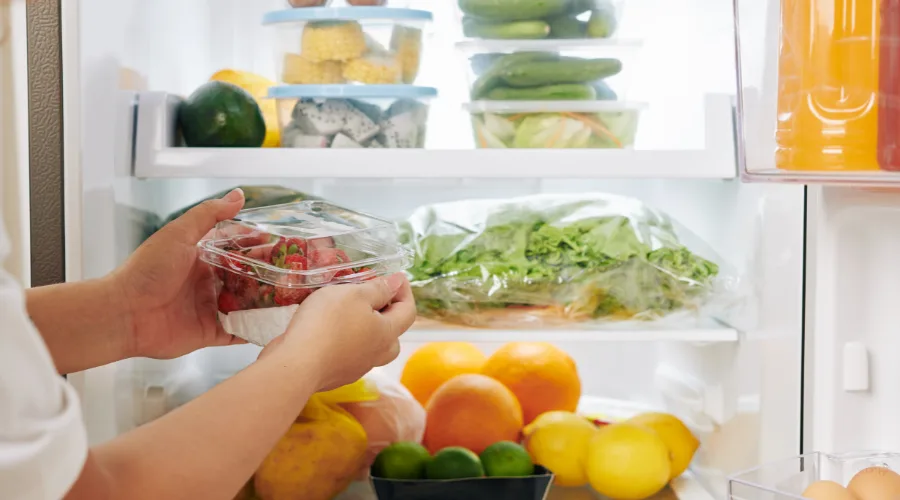
Not Everything Belongs in the Fridge – Keeping Produce Fresh
The fridge can help most produce last longer, but there are some foods that actually don’t do well in cold temps. Knowing the difference is a free way to preserve flavor and extend life.
- Refrigerate Most Produce: Most fruits and vegetables benefit from being kept cold to slow ripening.
- Avoid Refrigerating Some Items: Tomatoes, potatoes, onions, and garlic prefer cool, dry, dark places, not the cold fridge. Refrigerating them can alter their texture and flavor, and even speed up spoilage for some.
- Free Hack for Cut Produce: Once cut, most fruits and veggies should be refrigerated. Use repurposed glass jars with lids (like old pickle or jam jars) or reusable plastic containers you already own to store them airtight in the fridge.
Freeze What You Can’t Use in Time to Reduce Food Waste
Freezing is one of the best ways to preserve produce for months, and you can do it with basic kitchen items.
- At Peak Freshness: Freeze fruits and vegetables when they are at their ripest and freshest for the best quality.
- Blanching Veggies: For most vegetables, blanching (briefly boiling then plunging into ice water) before freezing helps preserve color, flavor, and nutrients. You only need a pot and a bowl of ice water.
- Freezing Containers: Utilize repurposed plastic containers (like those from yogurt, sour cream, or takeout) or reusable freezer bags you already have. Squeeze out as much air as possible before sealing.
- Labeling (Free Hack): Use a permanent marker directly on the container or a piece of masking tape to label the contents and date.
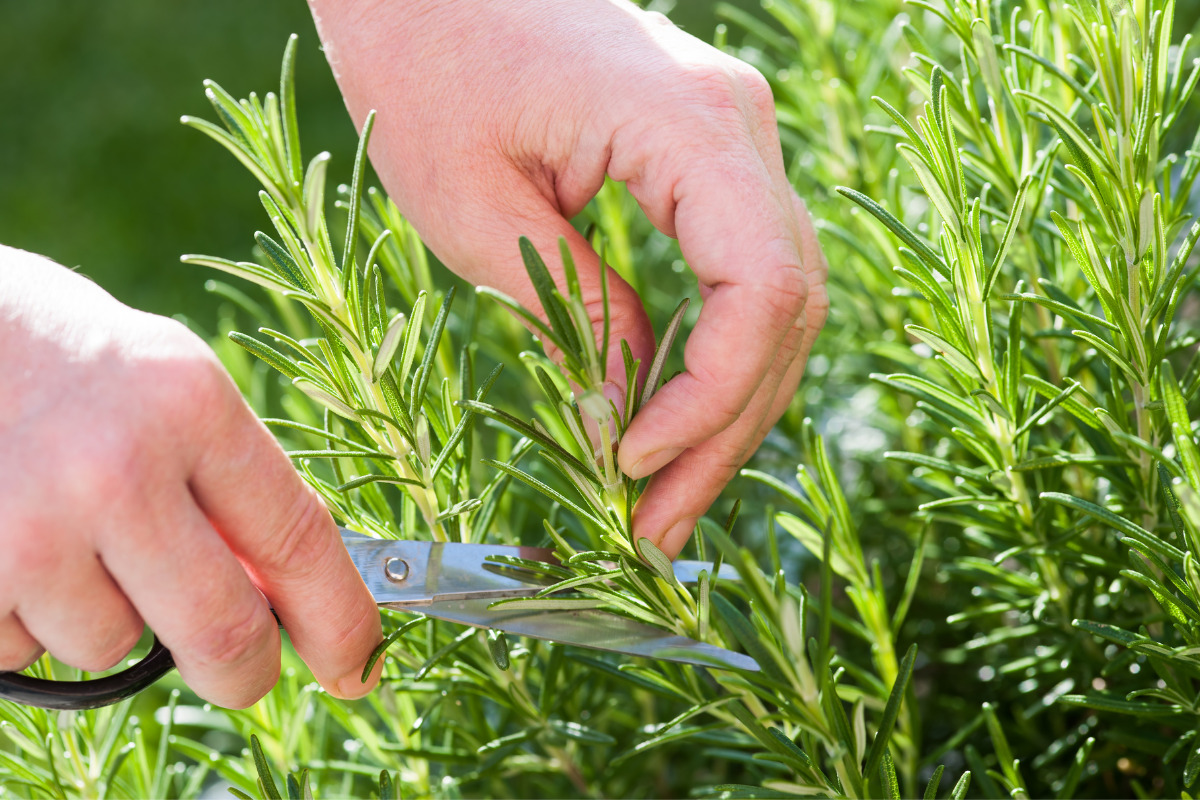
Store Herbs & Greens the Right Way
Delicate stuff like herbs and salad greens goes bad fast—but there are ways to keep it from spoiling without fancy containers or other items.
- For Herbs: Place the stems of fresh herbs (like parsley, cilantro, basil) in a glass of water, like a bouquet. Cover loosely with a repurposed plastic bag (like a bread bag) and place in the refrigerator. Change the water every few days.
- For Salad Greens: Line a large reusable container or a repurposed plastic bag with a clean, dry paper towel. Add your washed (and thoroughly dried!) greens, then place another dry paper towel on top before sealing. The paper towels absorb excess moisture.
Simple Produce Saving Tips & Tricks for Healthy Lifestyle
A few common produce have unique, free storage needs:
- Onions, Potatoes, Garlic: Store these in a cool, dry, dark, and well-ventilated spot, like a pantry or a basket in a cupboard. Keep them separate from each other, as onions can make potatoes sprout faster.
- Celery: Wrap individual stalks or the whole head tightly in aluminum foil before placing it in the refrigerator. It helps retain moisture and crispness.
- Pineapple: Once you cut off the leafy top, store a whole pineapple upside down in the refrigerator. This helps redistribute the sugars, keeping it fresh longer.
You don’t need to spend money on special storage containers to make your fruits and veggies last. By implementing these free and simple storage hacks, you can significantly extend the life of your fruits and vegetables, reduce food waste, and keep more money in your pocket. Enjoy your fresh produce for longer!
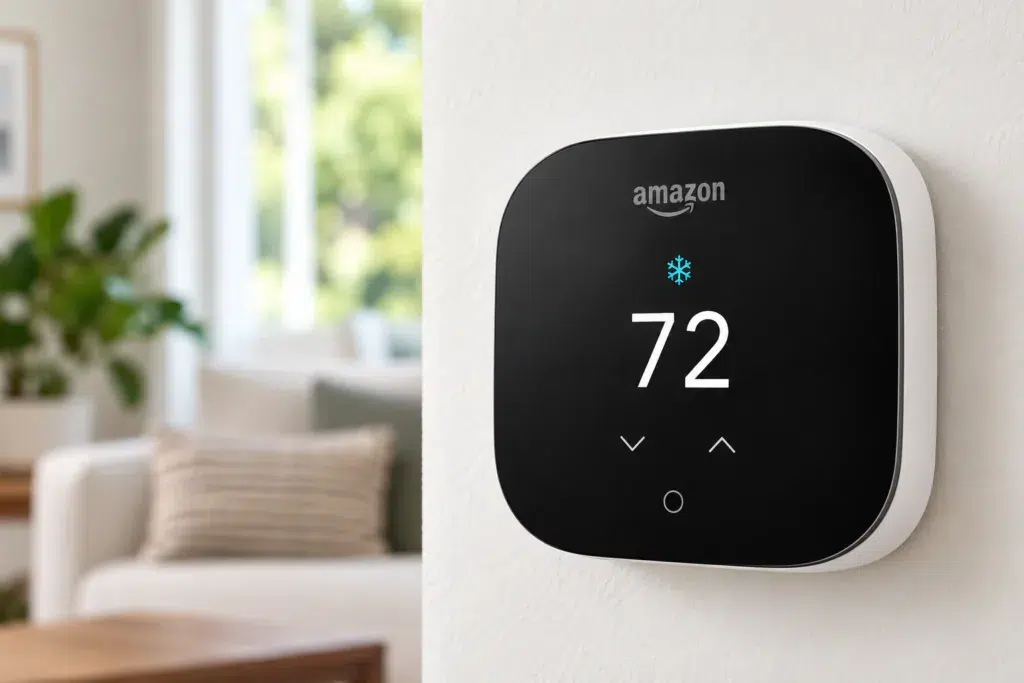
FREE Amazon Smart Thermostat? See If You Qualify!

50 Fun & FREE Date Night Ideas You Probably Haven’t Tried!

Free One Day Pass to BJ’s Wholesale Club

Think You Have Hard Water? Order a Free Water Test Kit from Morton Salt!

Track Your Pet for FREE with Fido Alert!