

How to Start a Garden for Free: 10 Easy DIY Gardening Hacks!
This post may contain affiliate links. We may earn a small commission at no extra cost to you. Affiliate Disclosure.
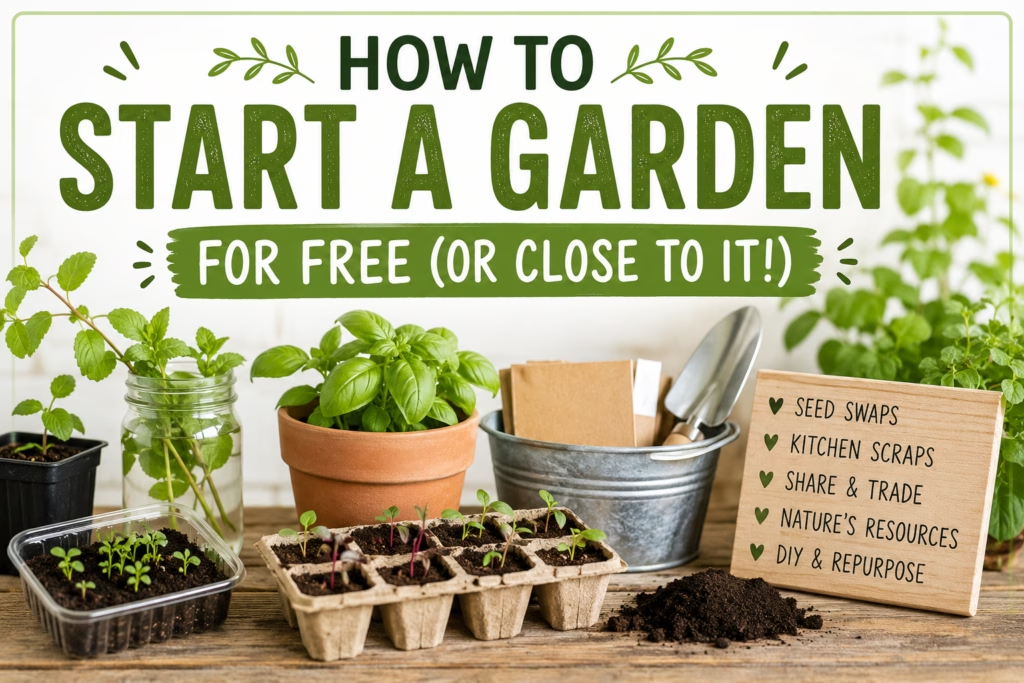
How to Start a Garden for Free (or Close to It!)
Starting a garden doesn’t have to be expensive. When I first started, I thought I needed fancy tools and pricey designer pots. Over time, I learned that you can actually grow an incredible garden for free if you get a little creative.
My own garden started with a few “sad” plants someone was giving away, and now it’s my favorite place to be.
Pro-Tip: Before you buy anything, figure out your Hardiness Zone. Knowing your climate is the best way to avoid wasting time on plants that won’t survive your local weather.
1. Regrow Your Kitchen Scraps
This is the easiest way to get “free” food. Green onions, lettuce, celery, and garlic can all be regrown from the parts you usually toss.
I stick the white ends of green onions in a jar of water on the windowsill and they start growing again within days!
2. Save Your Seeds
Don’t toss the seeds from your store-bought produce. If you have a juicy tomato or a bell pepper, you have the potential for dozens of new plants.
Rinse and dry the seeds, then store them in a cool, dry spot until you’re ready to plant. Check out how to get free seeds!
3. Find Local FREE Plants!
I am always amazed how many free plants I see when I walk around my neighborhood. I see blackberries, figs, loquats and more. Just grab a clipping and you have a plant!
These are plants that thrive in your area too so you know they will do well. And they are free (don’t take your neighbors lol).
Also join local Facebook groups or “Buy Nothing” communities. Gardeners are famously generous—many people are looking to thin out their perennials or give away extra seedlings they didn’t have room for.
4. Visit Your Local Seed Library
Many local libraries now have “Seed Libraries” where you can take packets of seeds for free. All they ask is that if you have a successful harvest, you bring some seeds back to share with others next season!
5. DIY Backyard Composting
You don’t need a $100 compost tumbler. I started in an old plastic bin with holes punched in the sides.
Mix your food scraps (greens) with dried leaves or shredded paper (browns), and you’ll have rich, free fertilizer in no time. Check out my video on how to turn an old blender into a composter!
6. Upcycle Your Containers
Coffee cans, yogurt tubs, and milk jugs make excellent planters. Just remember to poke drainage holes in the bottom!
I’ve even seen old dresser drawers turned into beautiful herb gardens.
7. Propagate Everything
One plant can turn into ten. I’ve multiplied my mint, succulents, and basil just by taking cuttings and letting them root in water. It’s like a magic trick that gives you free plants forever.
8. Hunt for Free Mulch and Soil
Check with your city or county—many offer free mulch from tree trimmings or storm cleanup. You can also find “free fill dirt” on Craigslist or Facebook Marketplace if you’re looking to build up a garden bed.
Look around your yard – leaves around trees make great filler for beds and pots!
Also take advantage of spring sales at Lowe’s and Home Depot – they offer $2 bags of soil and mulch!
9. Repurpose Household Tools
You don’t need a fancy trowel to start. An old kitchen spoon works great for digging, and smooth rocks or popsicle sticks make perfect (and free) plant markers.
Get creative!
10. Trade Your Time
If you’re starting with nothing, offer to help a neighbor weed their garden. In return, most gardeners will happily let you dig up some of their bulbs or take clippings from their bushes.
Tip: Don’t get discouraged! If a plant dies, just try again. Sometimes a wilted plant just needs a little water and TLC to bounce back. Gardening is all about trial and error.
“Grow stories, not receipts.” Find more Gardening Hacks at SwagGrabber.