

11 Ways to Lower Your Monthly Electric Bill — Simple Tips That Actually Work!
This post may contain affiliate links. We may earn a small commission at no extra cost to you. Affiliate Disclosure.

I don’t know about you but getting a high electric bill freaks me out!
We live in Florida so it happens just about every summer. Summer here is no joke — and if your AC is running nonstop from May through October you feel it every single month when that bill arrives!
Over the years we’ve figured out what actually makes a difference and what doesn’t. Some of these tips are free, some cost a little upfront but pay back fast, and one of them — switching to tile floors — made such a dramatic difference in our home that I wish we had done it years earlier.
Here are 11 ways we keep our electric bill under control — and they’ll work whether you’re in Florida or anywhere else.
1. Lower Your Thermostat One Degree at a Time
Don’t make a dramatic drop all at once — lower it by one degree each week. Your family won’t notice the gradual change but your bill will. Just one degree can save around 1% on your heating costs and those savings compound fast over a full season. We keep our house around 74° now!
2. Program It for When Nobody’s Home
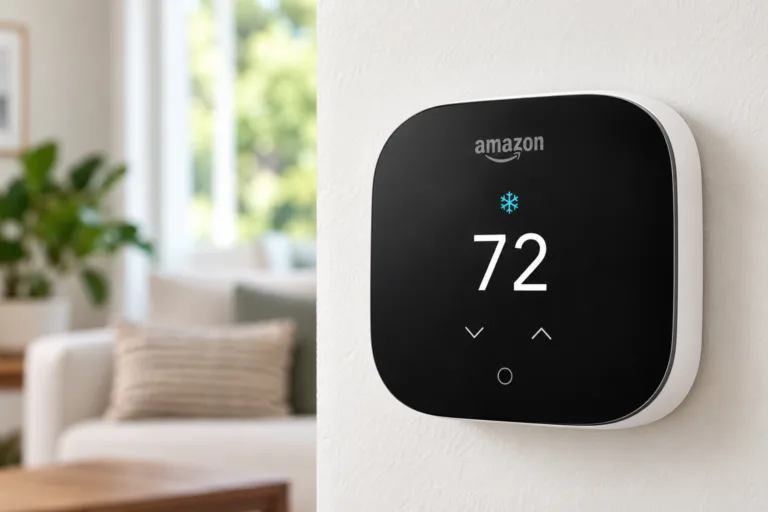
There’s no reason to heat or cool an empty house. Set your thermostat to drop several degrees whenever everyone is out — even just a few hours a day makes a meaningful difference over the course of a month. A smart thermostat like a Nest or Ecobee does this automatically and pays for itself quickly. A free smart thermostat is even better!
3. Turn Off Lights When You Leave a Room
Sounds obvious but most households are guilty of this daily. Make it a house rule — leave the room, flip the switch. Say it enough times and it becomes automatic. LED bulbs help too — they use up to 75% less energy than traditional bulbs and last years longer.
4. Skip the Oven — Use Your Air Fryer or Instant Pot
Heating up the oven heats the entire house — and in Florida during the summer that means your AC has to work twice as hard to compensate. I pretty much stop using my oven entirely from May through September. Instead I cook on the patio, use my Air Fryer, or reach for the Instant Pot.
The difference is real. These appliances use a fraction of the energy an oven does, cook faster, and don’t turn your kitchen into a sauna. If you need some inspiration for Air Fryer and Instant Pot recipes check out my personal recipe site Forking Good Food — tons of easy recipes that keep you out of a hot kitchen all summer long.
5. Turn Down Your Hot Water Heater
Most hot water heaters are factory set to 140°F — which is hotter than you need. Dropping it to 120°F saves energy, reduces the risk of scalding, and extends the life of your water heater. Takes about five minutes to adjust and you’ll never notice the difference in the shower.
6. Change Your Air Filter Regularly
A dirty air filter makes your HVAC system work harder than it needs to — which means more energy and a higher bill. Check your filter monthly and replace it on schedule. A clean filter is one of the easiest and cheapest ways to keep the air conditioner guy away…and a hefty bill!
7. Wash Clothes in Cold Water
Your hot water heater works hard every time you run a warm or hot wash cycle. Most modern detergents clean just as effectively in cold water — and your clothes will actually last longer too. Make cold water your default and only use warm when you really need it.
8. Run Full Loads Only
If you’re running the dishwasher or washing machine with half a load you’re wasting both water and energy. Wait for a full load every time — it maximizes efficiency and cuts down on the number of cycles you run each week. Small habit, real savings.
9. Consider Tile Floors
This one is a longer term investment but worth mentioning because the difference is dramatic. We redid our entire downstairs in wood plank tile a few years ago and noticed an immediate change in the temperature of our home — cooler in the summer and warmer in the winter. I was dumbfounded by this! It really did make a huge difference!
Tile naturally regulates temperature in a way carpet and wood simply don’t. If you’re ever considering a flooring update this is a change that pays you back every single month on your utility bill.
10. Hang Blackout Curtains
Blackout curtains do double duty — they block light for better sleep AND provide a serious layer of insulation against heat and cold coming through your windows. In the summer they keep the sun from turning your rooms into a greenhouse. In the winter they trap warmth inside. A good set of blackout curtains is one of the cheapest and most effective upgrades you can make to any room.
11. Keep Your Blinds and Shades Closed
This costs absolutely nothing and takes two seconds. Keeping blinds and shades closed during the hottest part of the day blocks direct sunlight from heating up your rooms — which means your air conditioner doesn’t have to work as hard. In the winter flip the strategy — open south facing windows during daylight hours to let the sun warm your home naturally then close everything at night to keep the heat in.
You don’t have to choose between being comfortable at home and keeping your electric bill reasonable. Start with two or three of these tips this week and track your usage — most people see a noticeable difference within the first billing cycle.
Lower Your Electric Bill — Frequently Asked Questions
How to Lower Your Electric Bill — Your Questions Answered
What is the fastest way to lower your electric bill?
Adjusting your thermostat settings — both the daily temperature and programming it for when you’re away — typically has the biggest immediate impact. Combine that with switching to LED bulbs and you’ll see a difference on your next bill.
How much can you save by lowering your thermostat one degree?
Around 1% per degree — which adds up to real money over the course of a heating or cooling season. Lowering by just 5 degrees when you’re away or sleeping can save 5-15% on your bill.
Do tile floors really help with energy efficiency?
Yes — tile naturally regulates temperature better than carpet or wood. We noticed a dramatic difference in our home after switching to wood plank tile downstairs — cooler in summer and warmer in winter without any change to our thermostat settings.
How often should I change my air filter?
Most filters should be changed every 1-3 months depending on your home and whether you have pets. Check it monthly — if it looks gray and dusty replace it. A clean filter keeps your system running efficiently and can lower energy costs by up to 15%.
Looking for more ways to save money around the house? Check out our Living section for practical tips that save real money every day!